
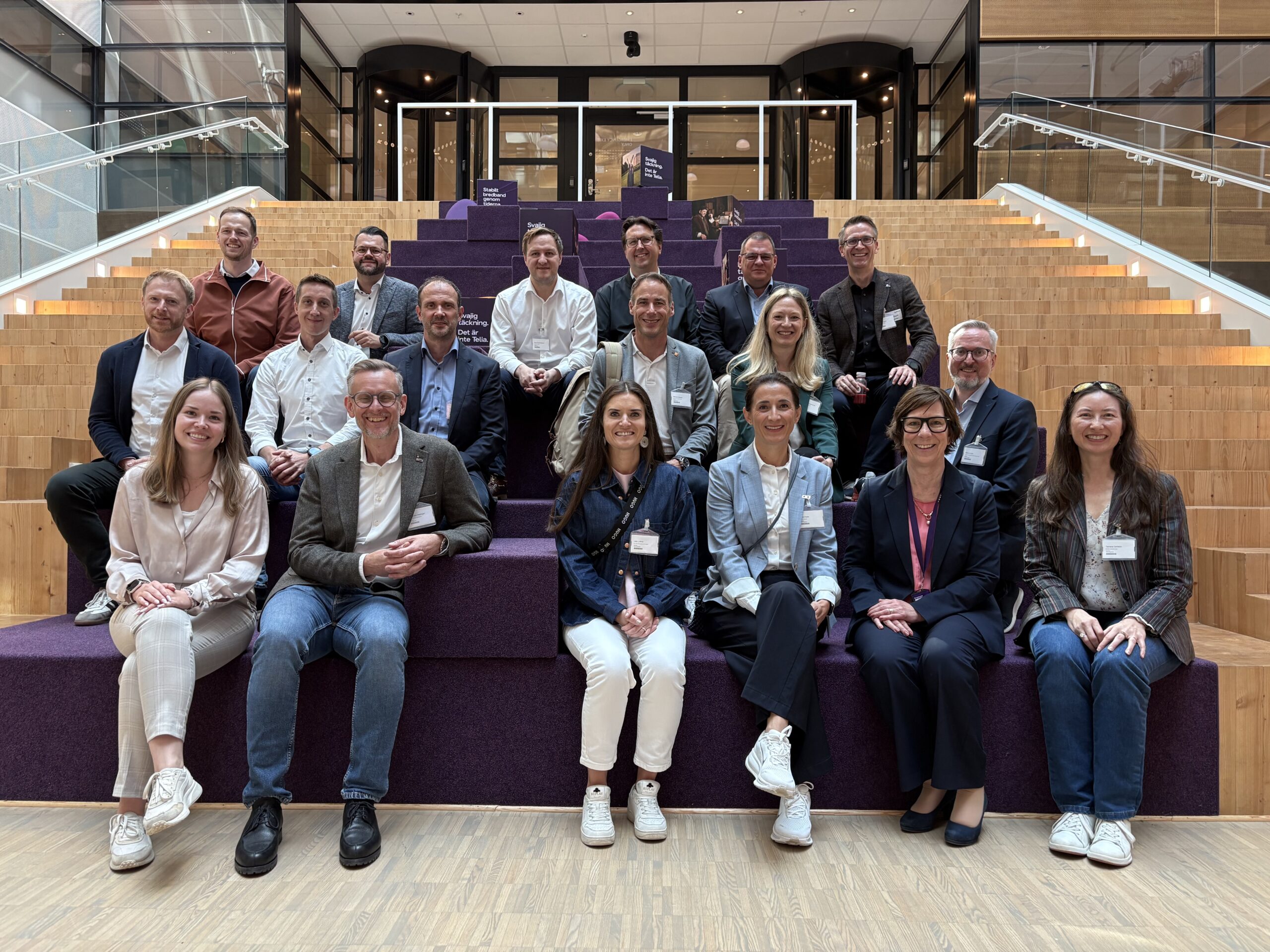

Scandinavian Insights: Strategy & Business Model Innovation
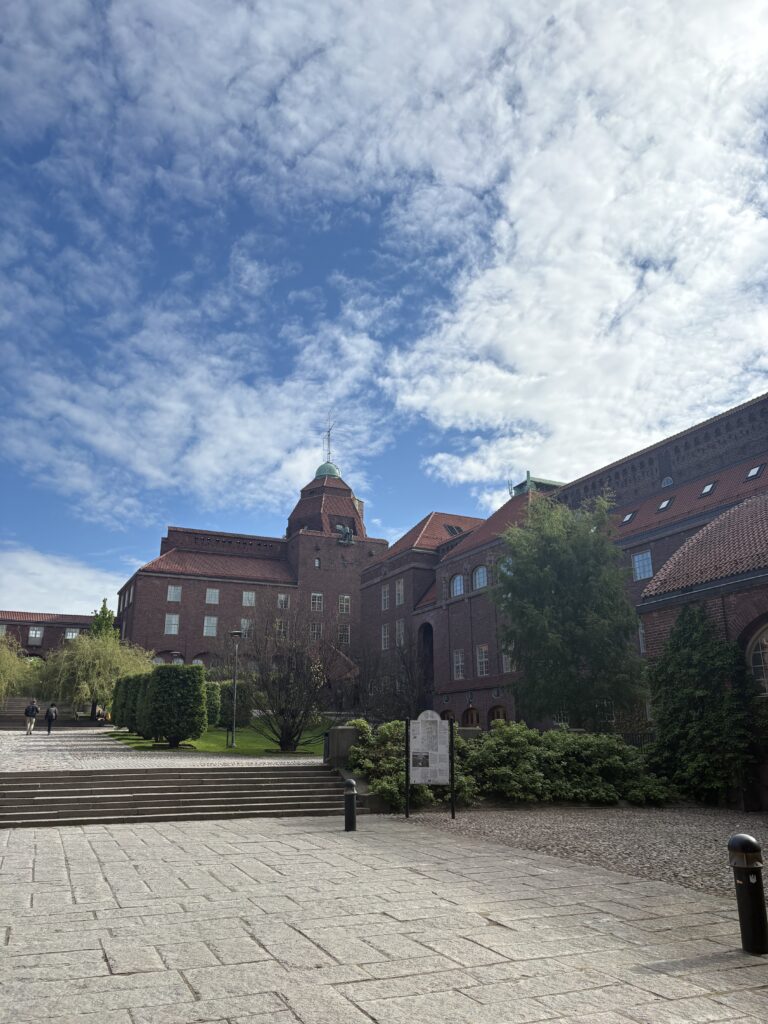
Scandinavian Insights: Strategy & Business Model Innovation
The LIMAK Study Trip to Stockholm offered participants valuable insights into Sweden’s innovation, business and culture. Under the title “Scandinavian Insights: Strategy & Business Model Innovation”, the programme focused on international perspectives on strategy, innovation, new business models and the exchange with companies, experts and representatives of the business community.
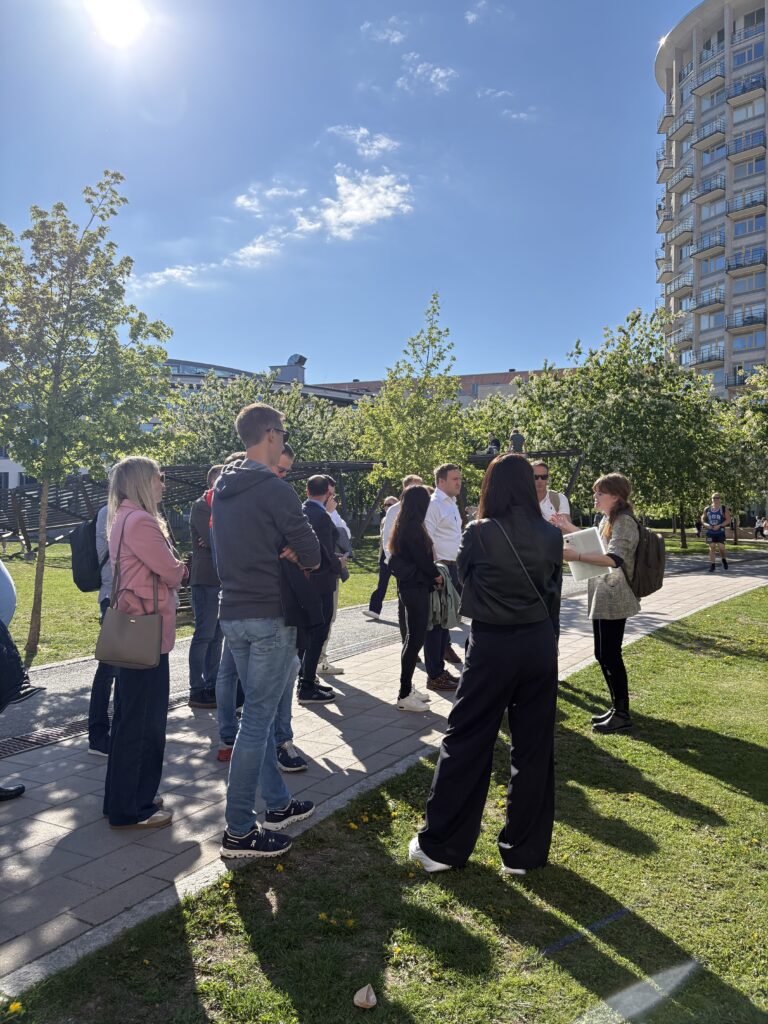
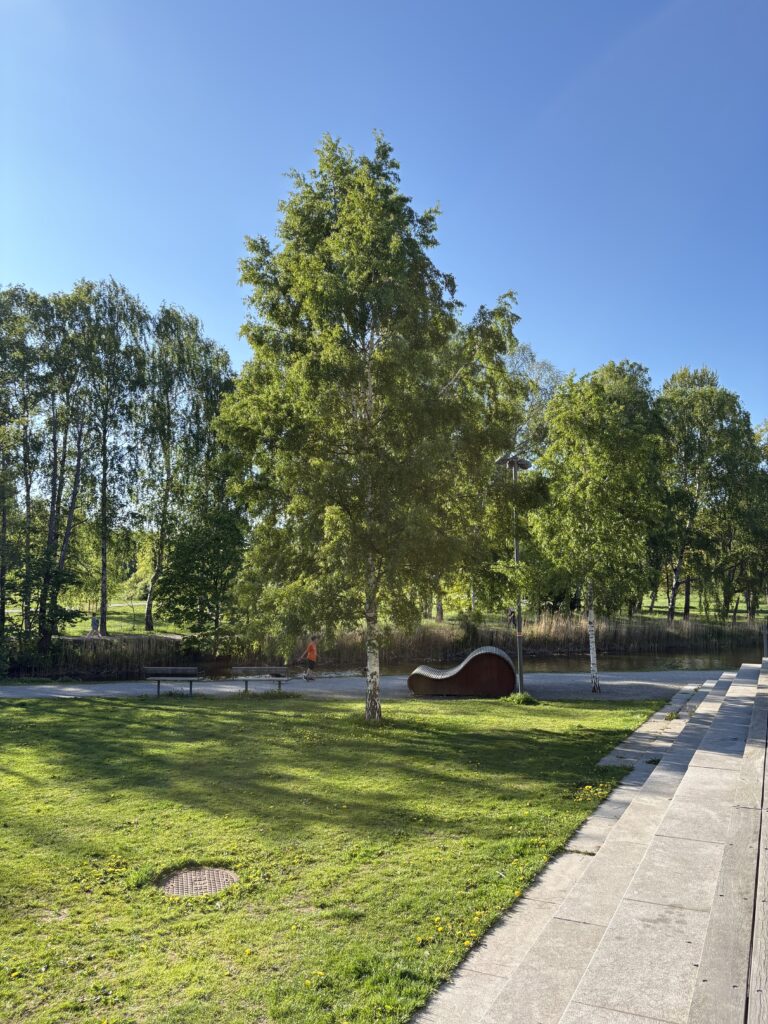
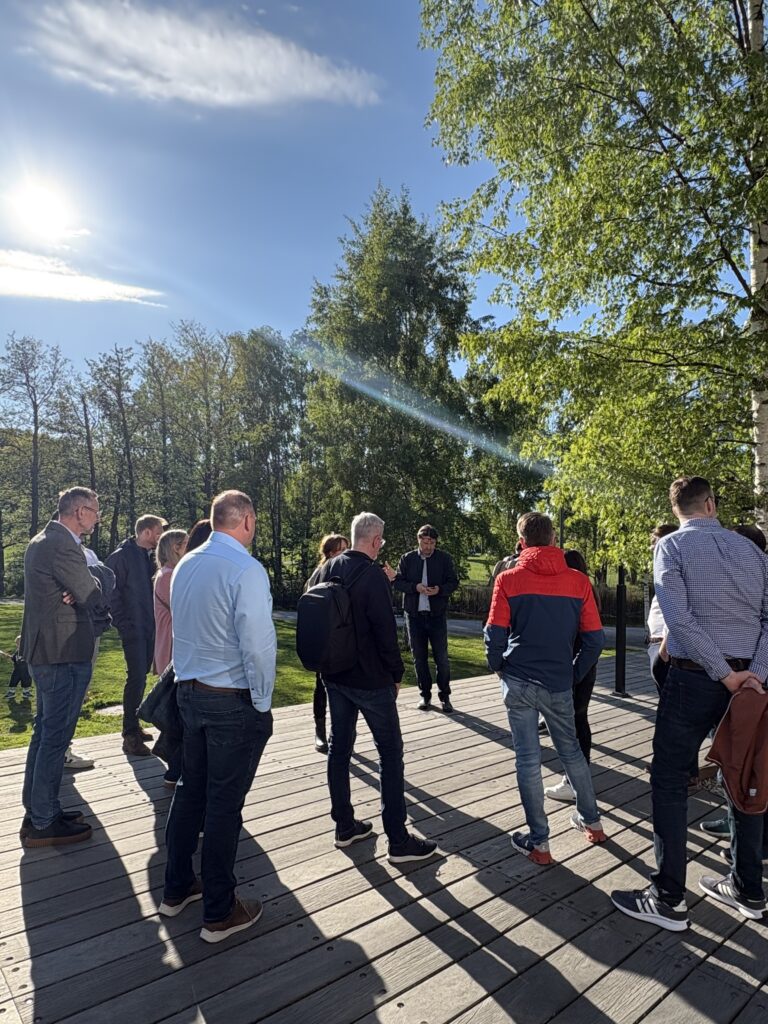
After arriving in Stockholm, the group had the opportunity to gain a first impression of the city during a short sightseeing tour. One particularly interesting stop was Norra Djurgårdsstaden, one of Stockholm’s largest and most well-known urban development projects. The former harbour, gasworks and industrial area is gradually being transformed into a modern and sustainable urban district. The project illustrates how aspects of circularity and sustainability can be implemented in an urban context. One visible example is the decentralised rainwater management system: rainwater is channelled through open gutters into green areas and tree beds, where it infiltrates the soil, irrigates the vegetation and at the same time relieves pressure on the sewage system. In this way, water is treated as a valuable resource and integrated into the urban cycle.
A Deep Dive into Scandinavian Innovation and Sustainable Transformation
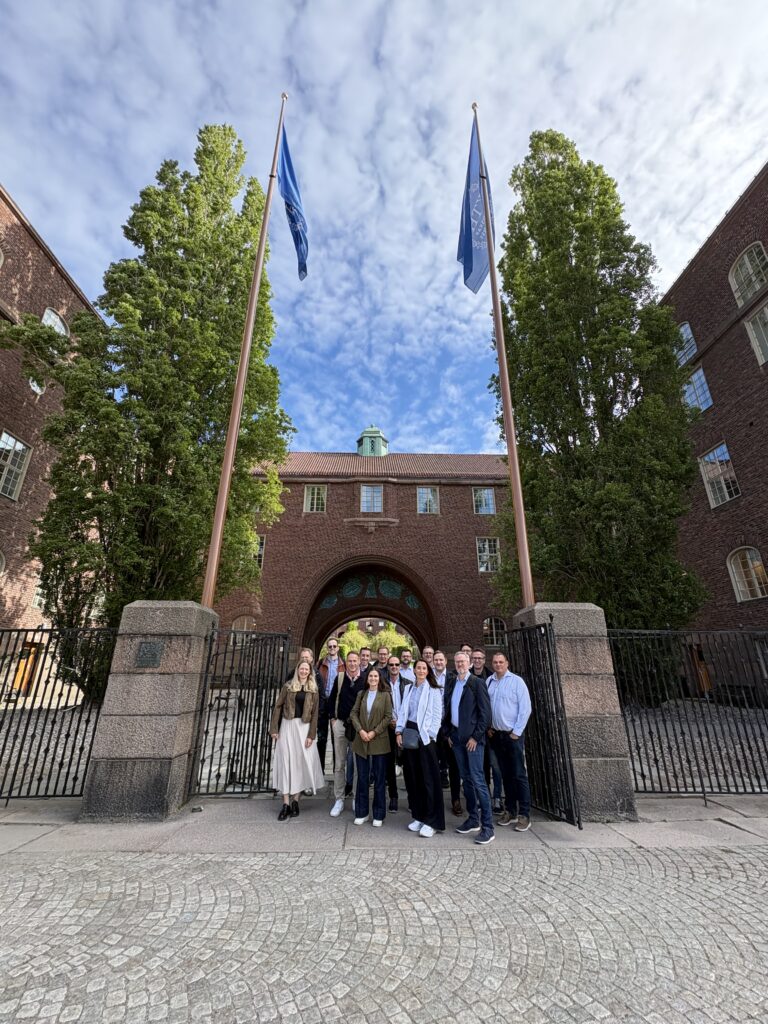
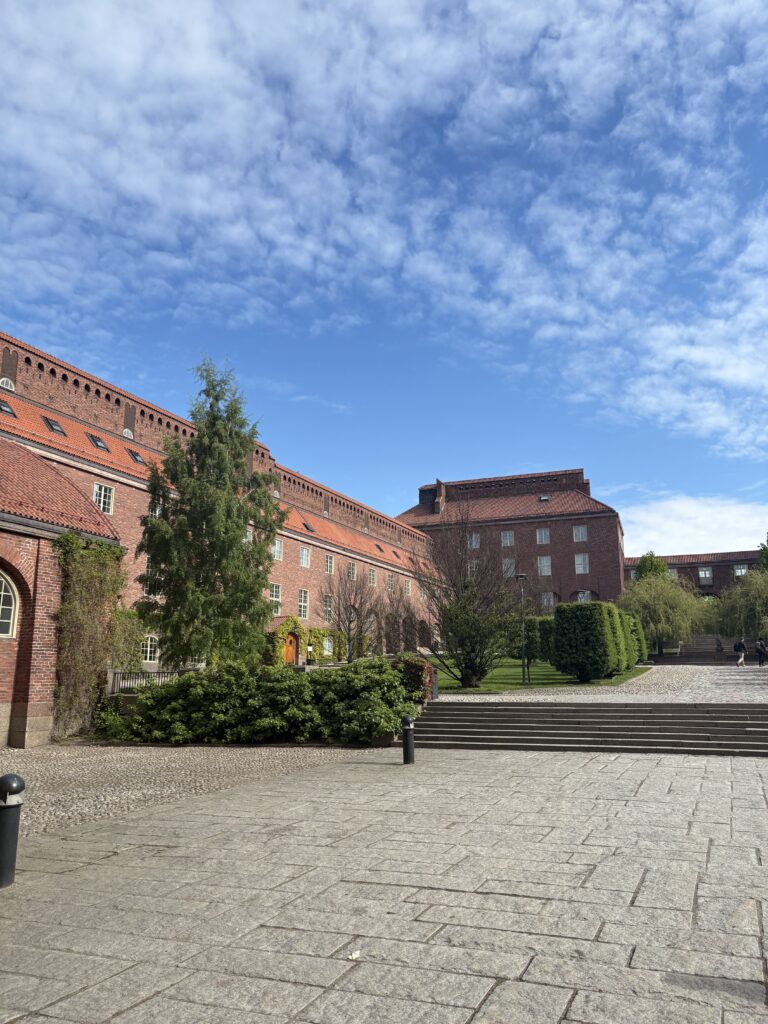
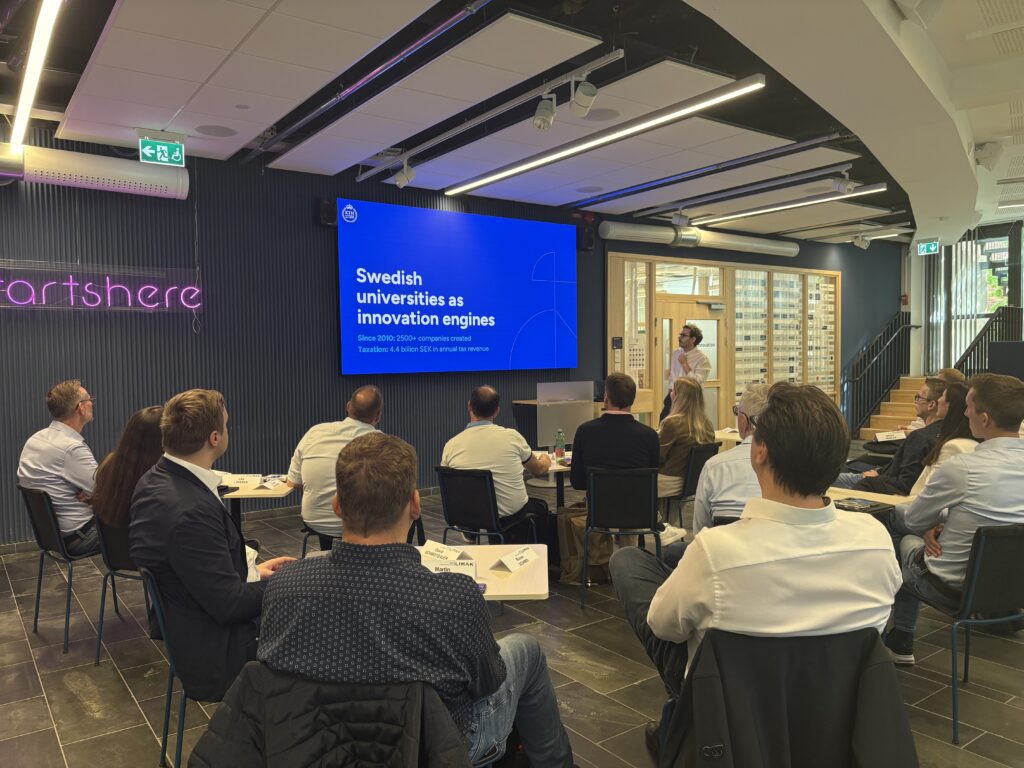
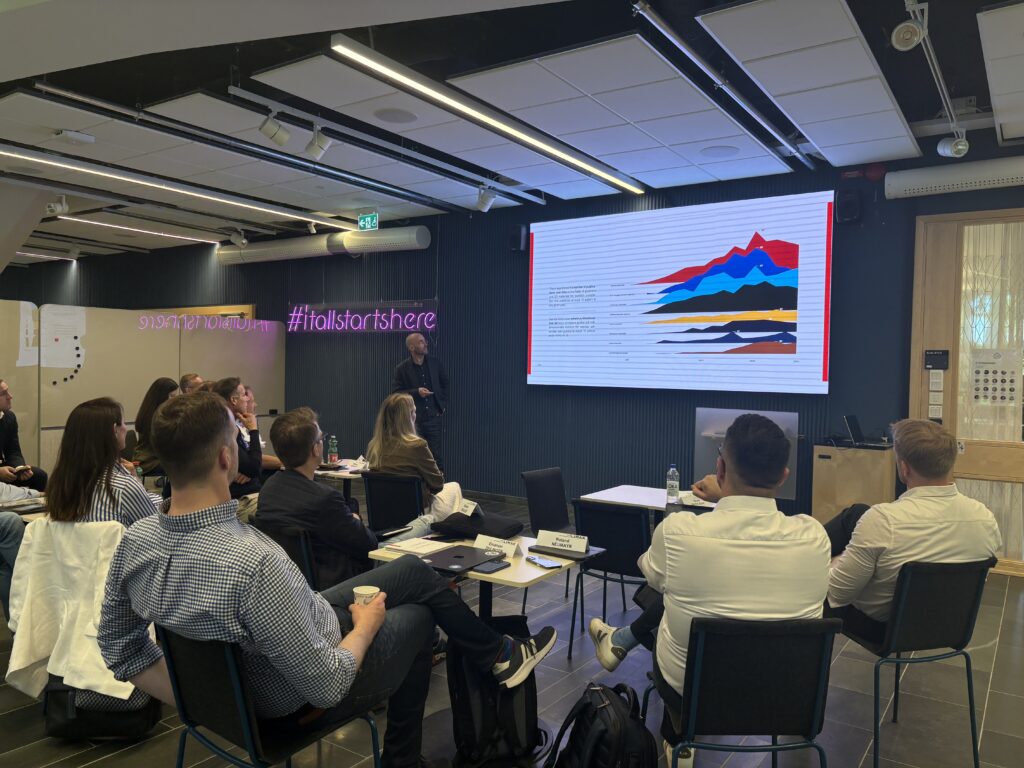
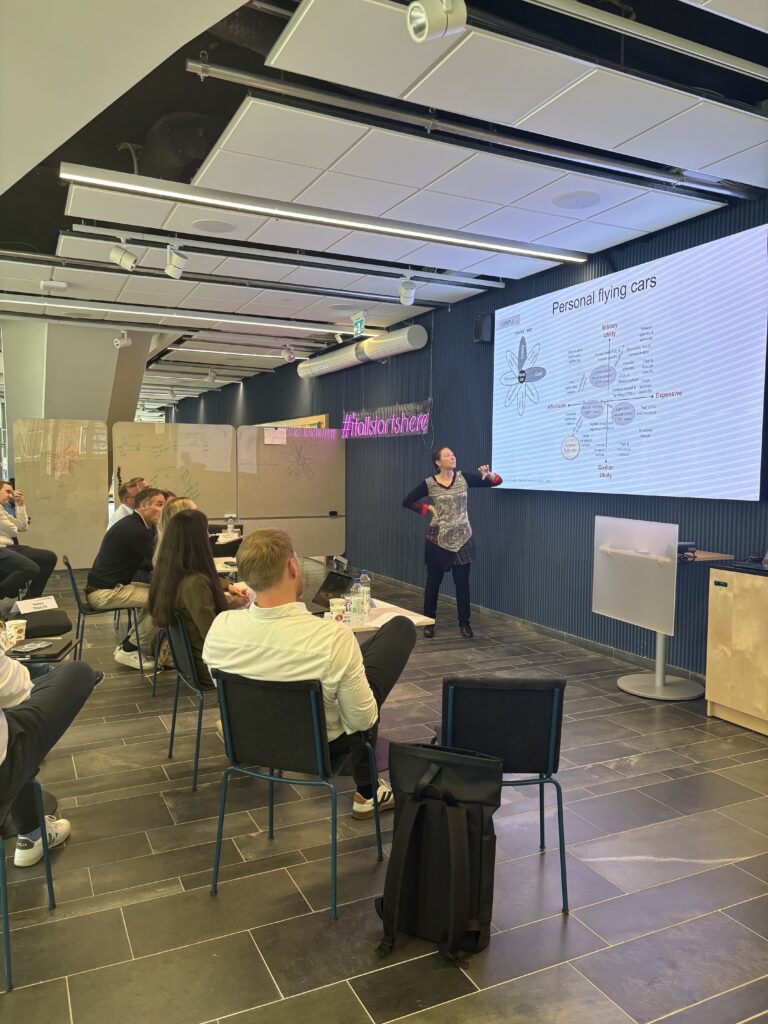
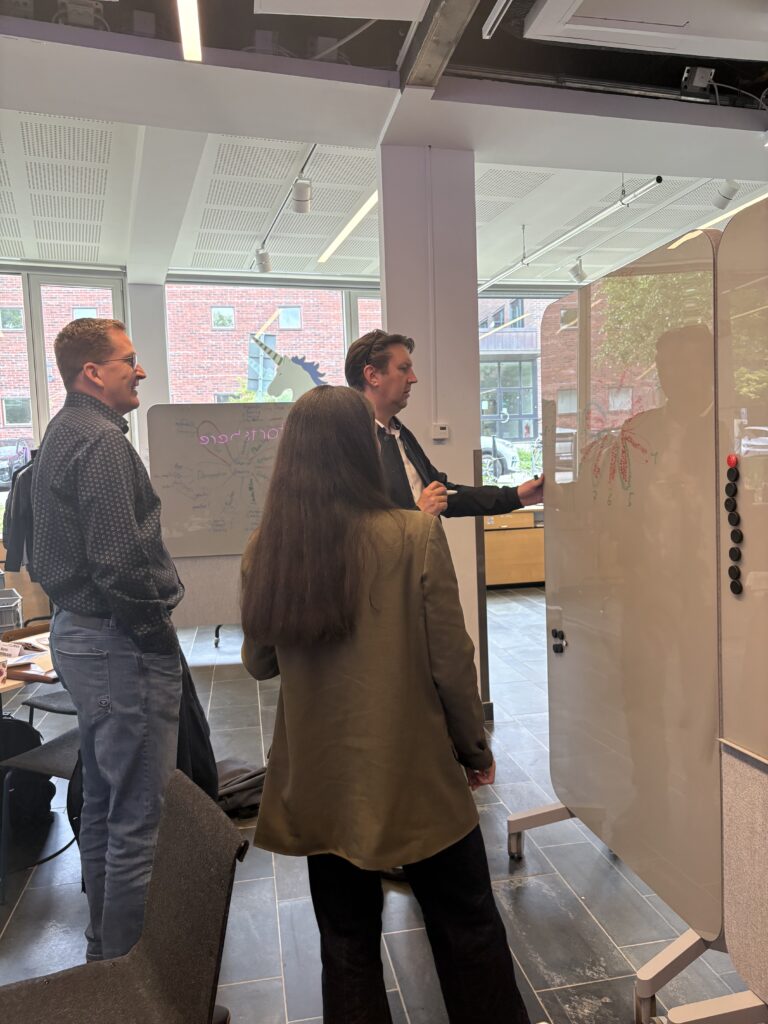
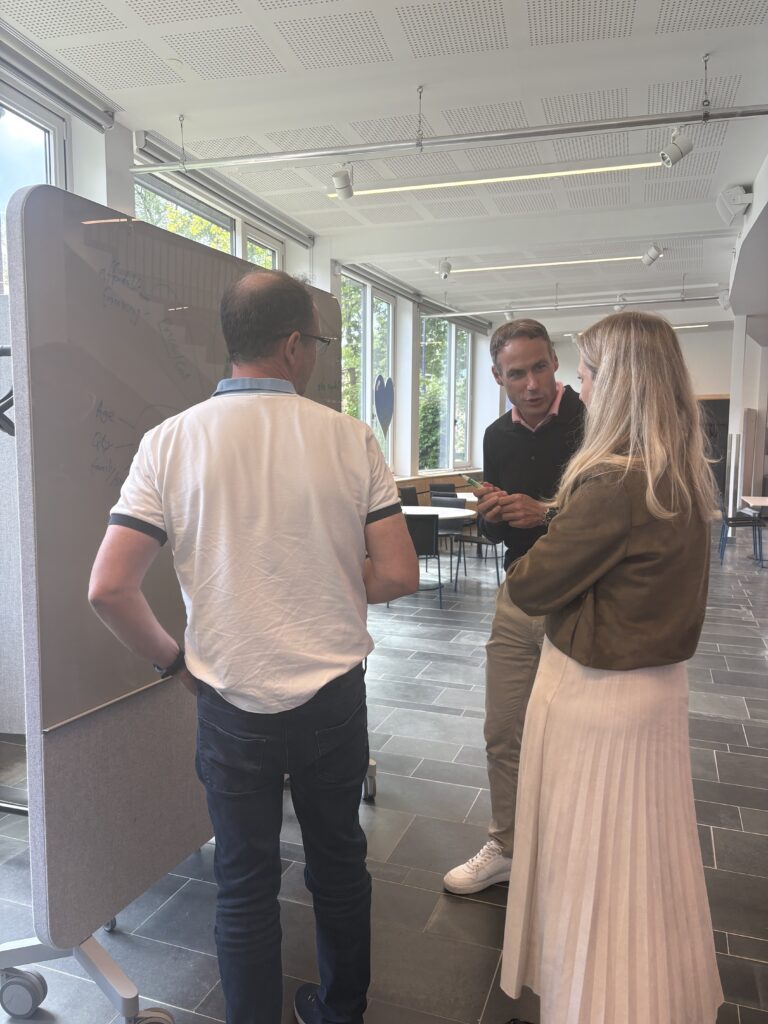
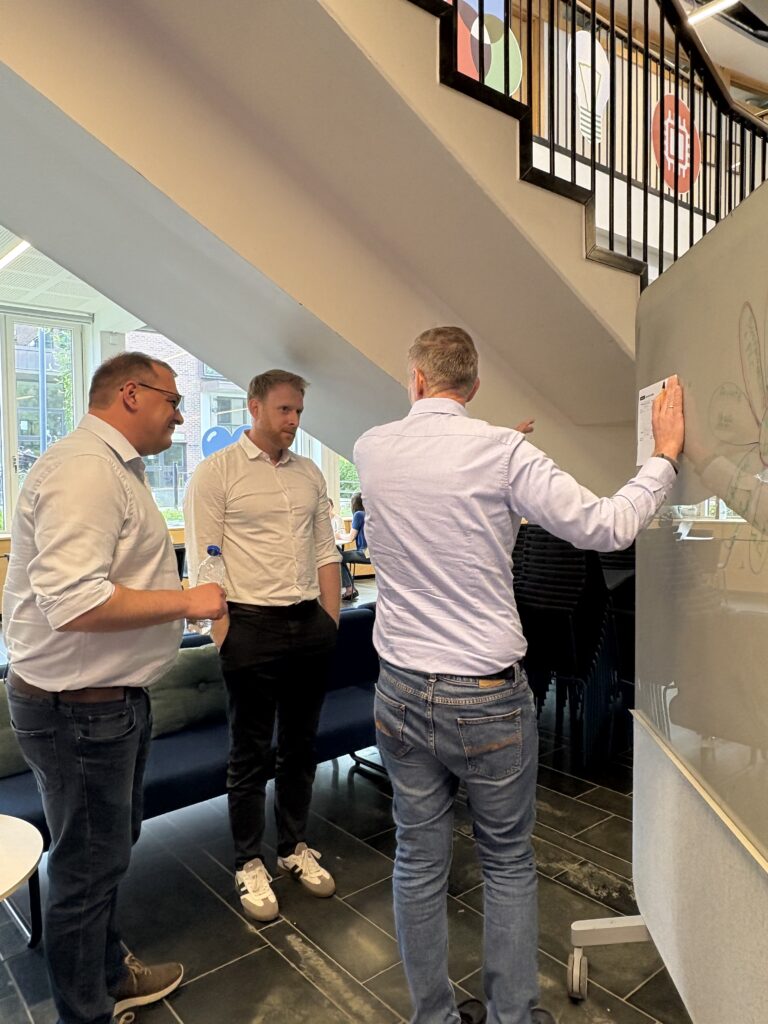
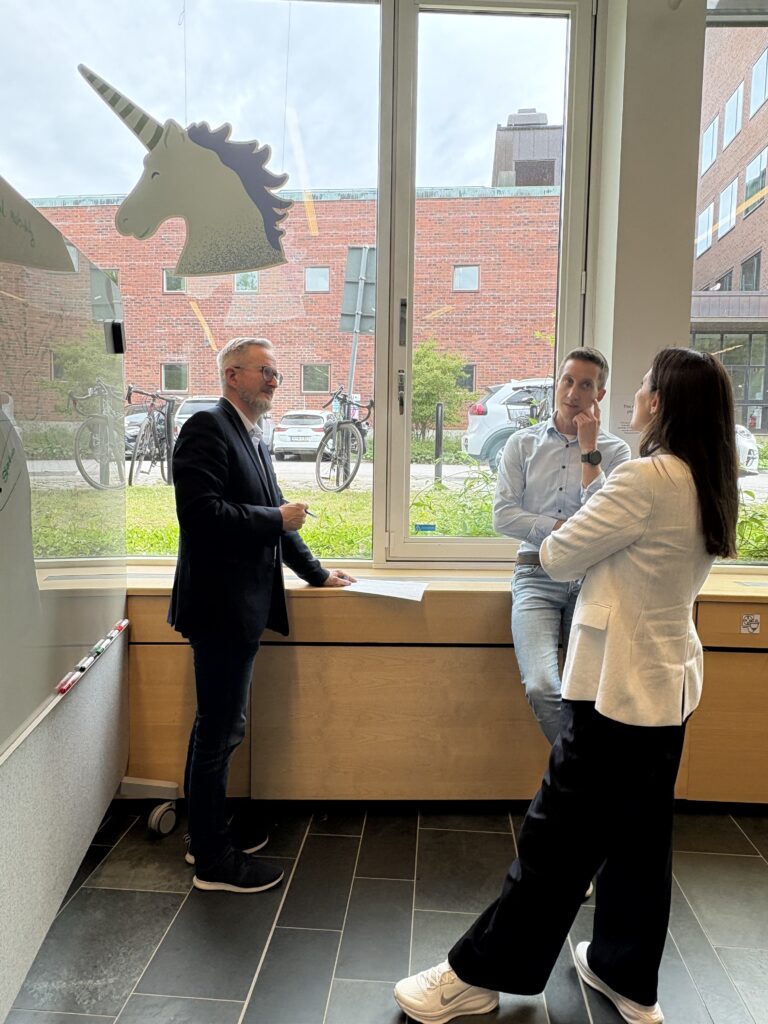
On Thursday, the academic programme started with an intensive Academic Day at the KTH Innovation Center. The participants gained insights into the work of KTH Innovation as well as into key concepts of business modelling and the strategic development of business models. The focus was on frameworks such as Porter’s Five Forces, the Business Model Canvas and the Business Model Navigator, as well as on the question of how these tools can be evaluated, tested and applied in practice. The sessions also addressed how companies can identify trends, develop strategic future options and derive new fields of action.
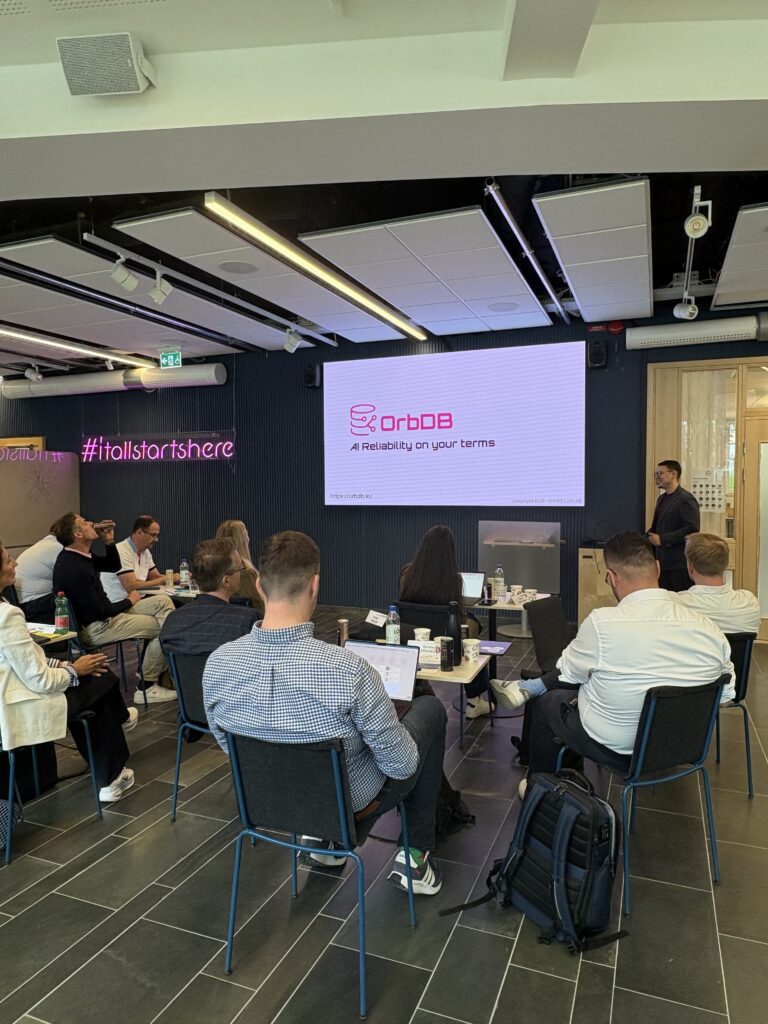
The Academic Day was accompanied by Prof. Dr. Tamara Carleton and other experts from the innovation ecosystem. Viktor Olsson and Hannes Eder Öhrström from KTH Innovation provided insights into current projects and initiatives at KTH Innovation. In the afternoon, Paris Carbone, founder of Orb, shared perspectives on innovative AI applications. His session also addressed critical questions around artificial intelligence, output quality and responsibility.
One of the key takeaways from the Academic Day was a better understanding of why Sweden is perceived as one of Europe’s leading countries in innovation. In addition to methodological input on business models, context mapping and trend identification, it became clear that innovation in Sweden is strongly connected to openness, long-term thinking and a willingness to experiment.
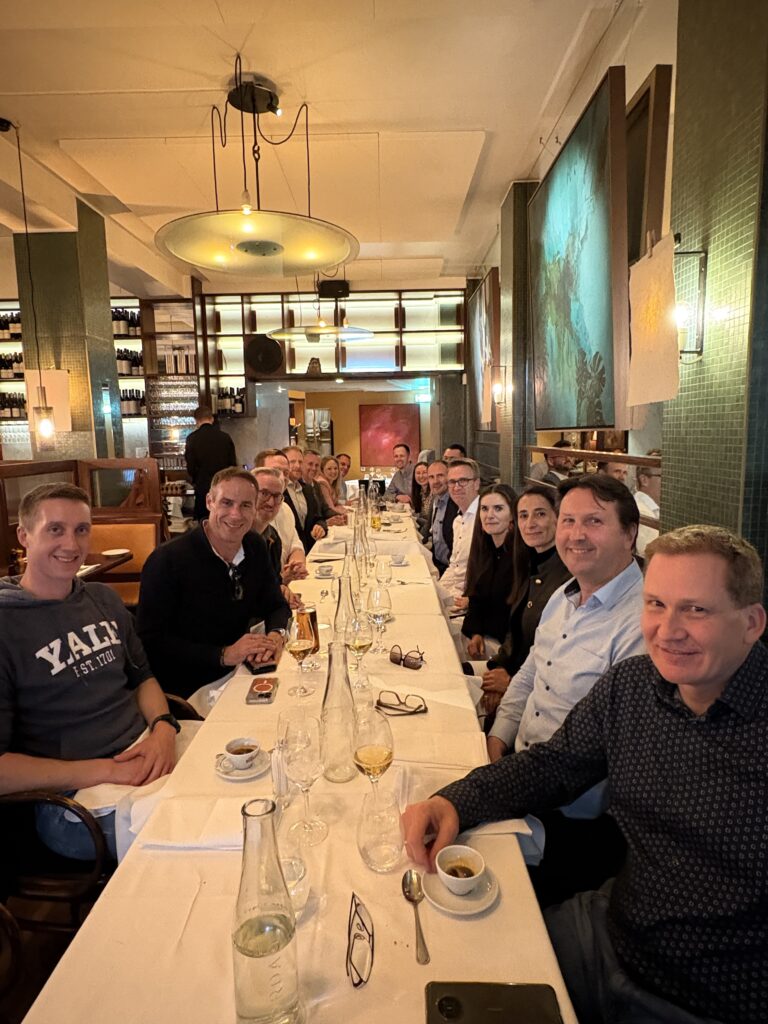
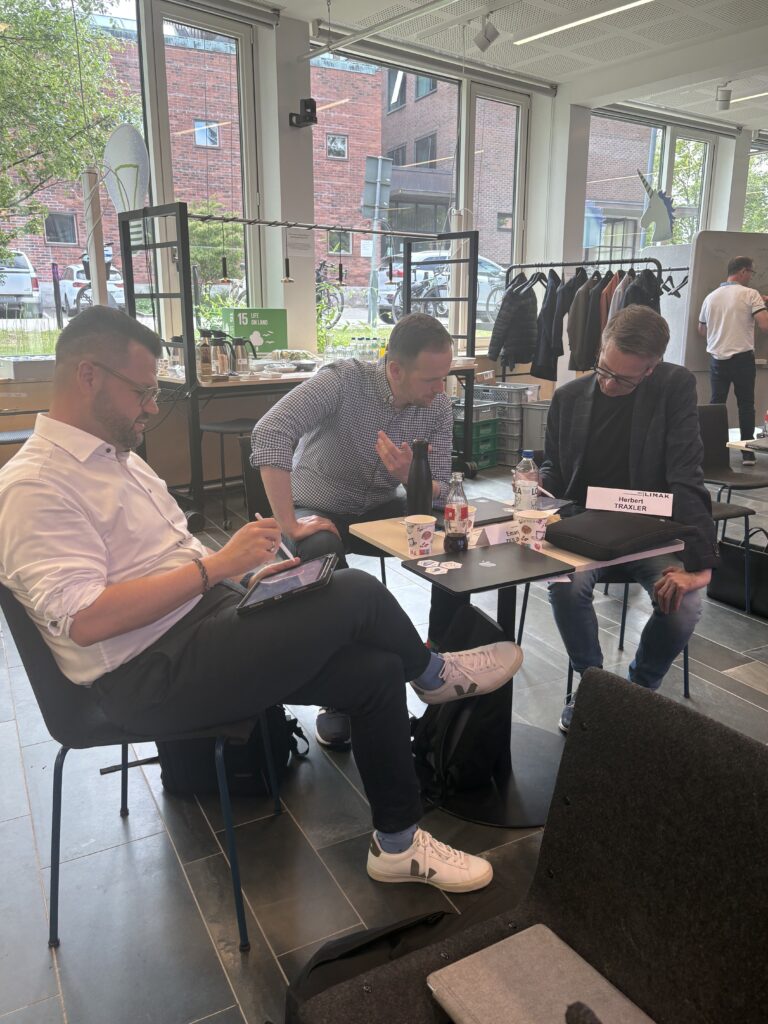
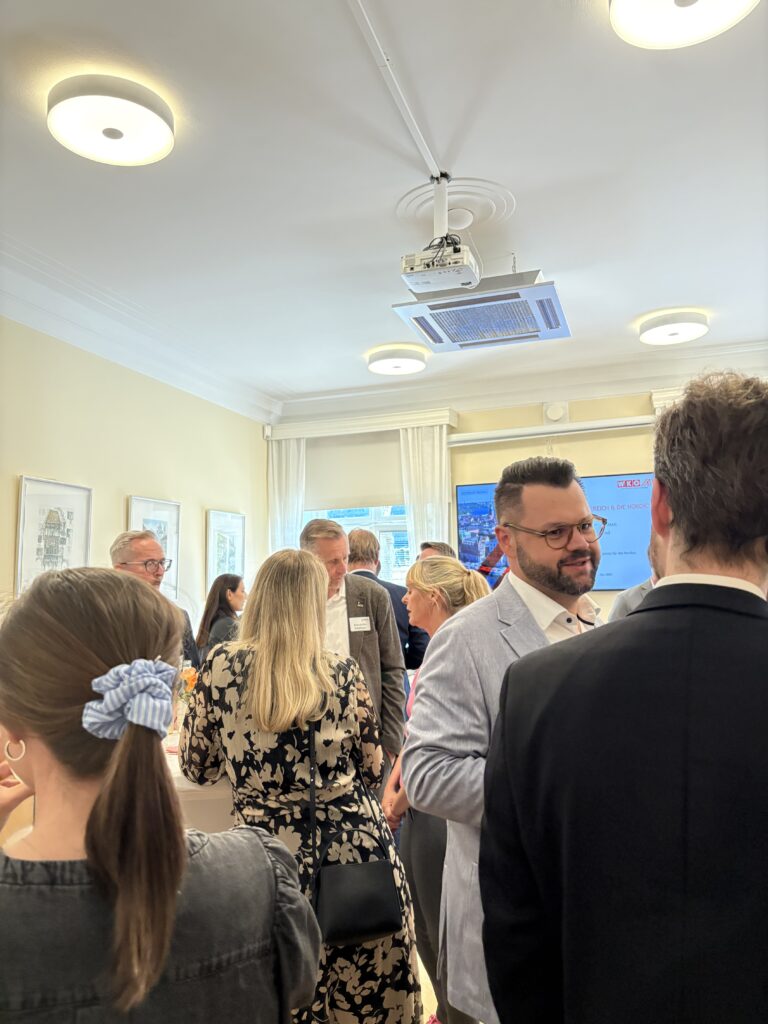
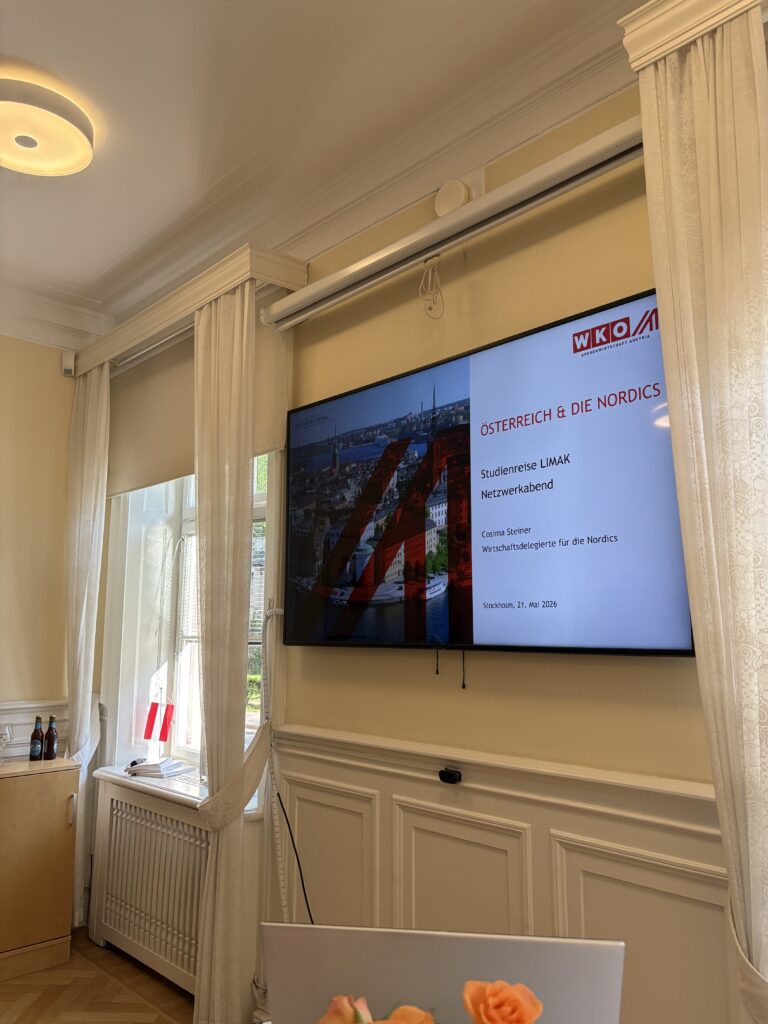
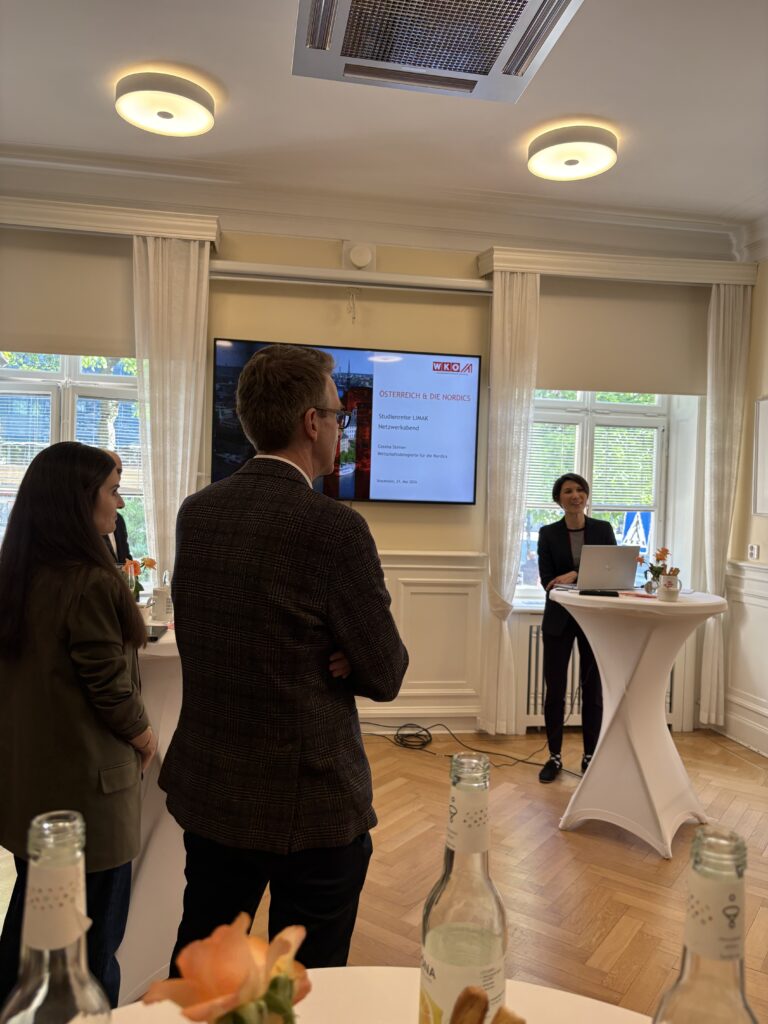
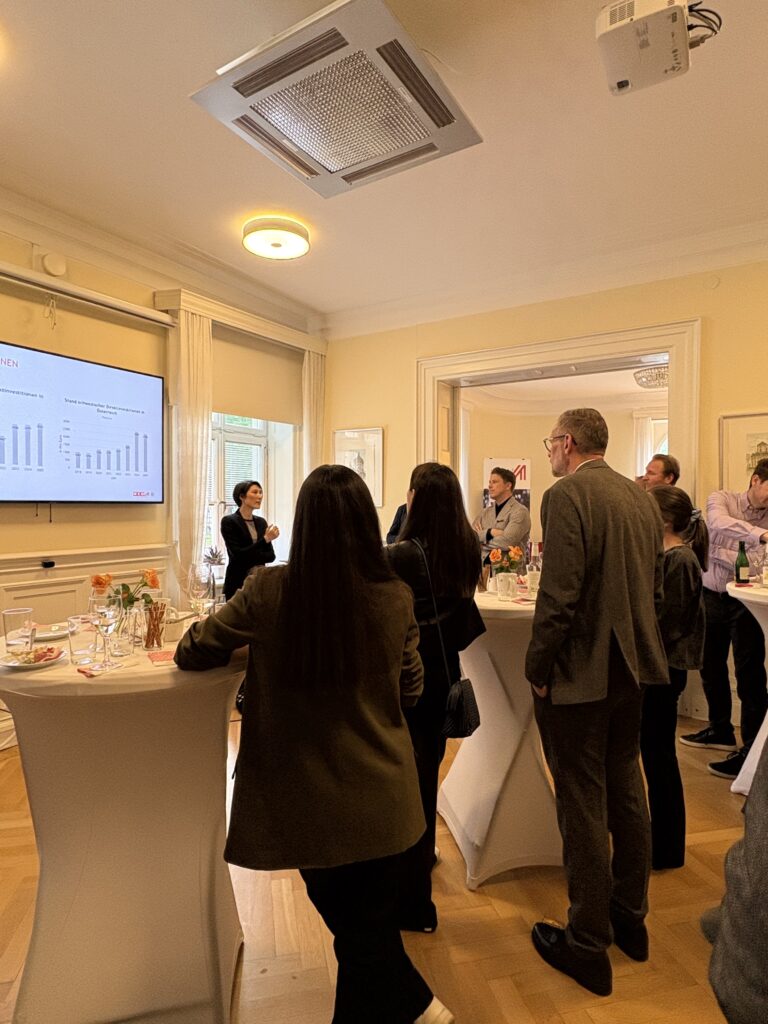
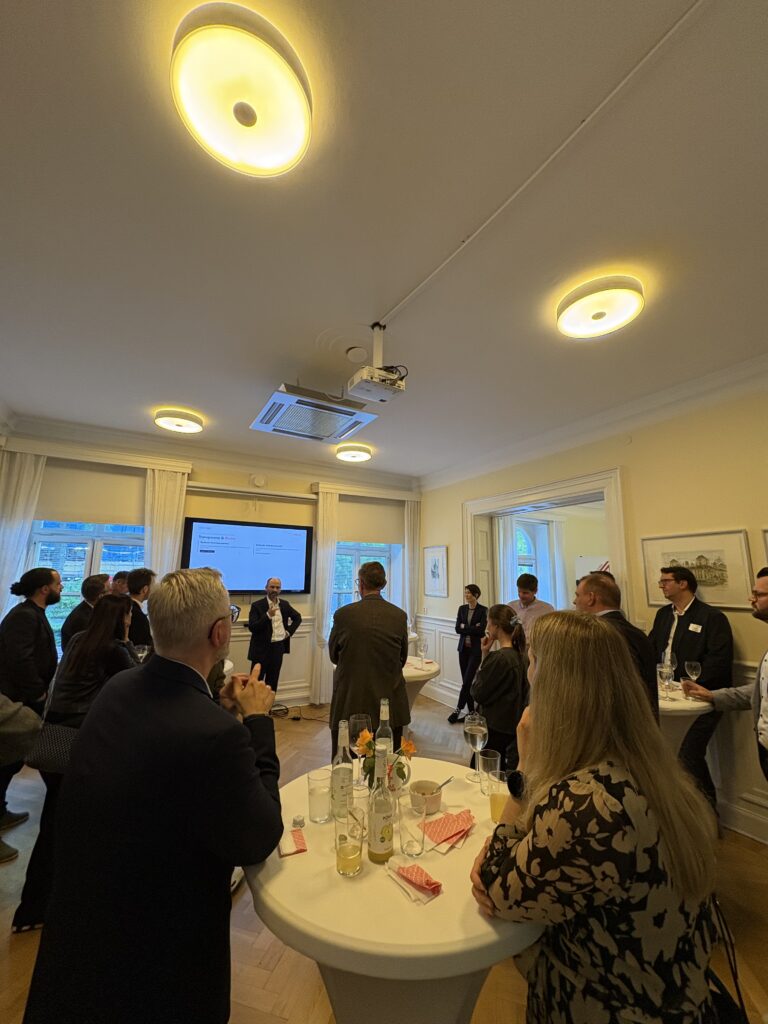
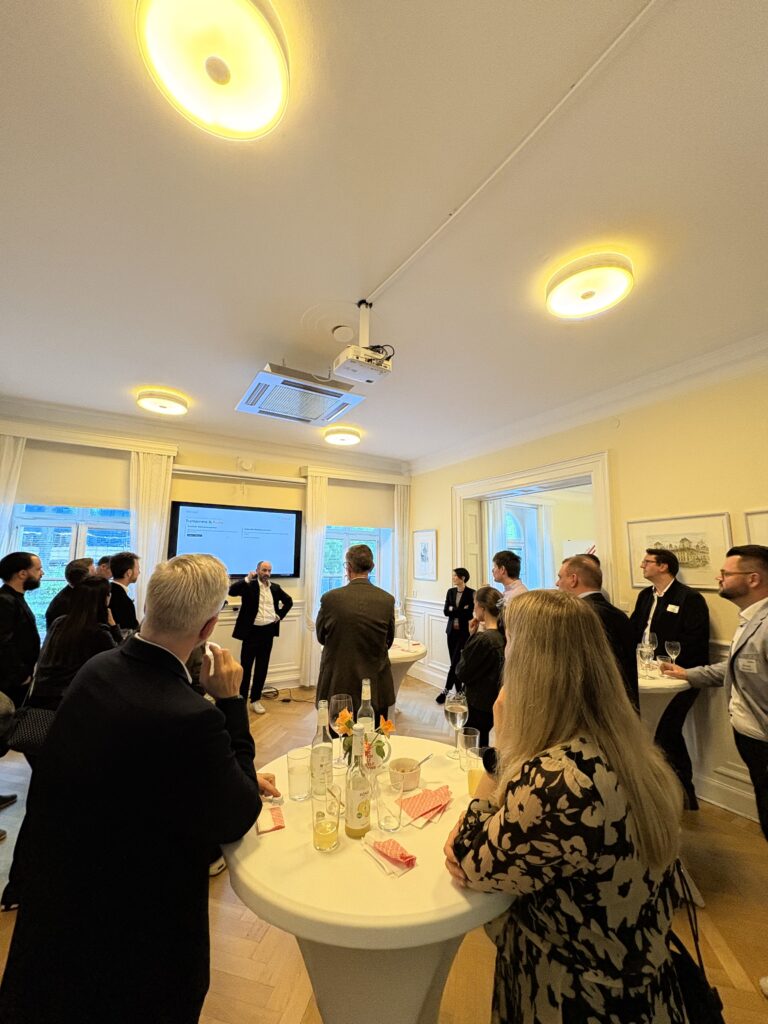
A special highlight of the Study Trip was the joint Networking Event hosted by LIMAK and Advantage Austria in Stockholm. In a professional yet personal atmosphere, the participants had the opportunity to establish international contacts, exchange experiences and further expand their network beyond Austria. Mag. Cosima Steiner, MSc, Austrian Trade Commissioner, provided insights into the economic relations between Austria and Sweden. The evening was further enriched by valuable perspectives from Mag. Mikolaj Norek, Head of Innovation and Technology at the Austrian Federal Economic Chamber, on Stockholm’s innovation landscape.
The following company visits offered practice-oriented insights into key future topics of the Swedish economy. The programme included visits to Telia Company, Doconomy, Scania and Ventures Accelerated. The participants engaged with topics such as digital infrastructure, sustainable finance solutions, sustainable mobility, venture building, corporate innovation and the scaling of new business models.
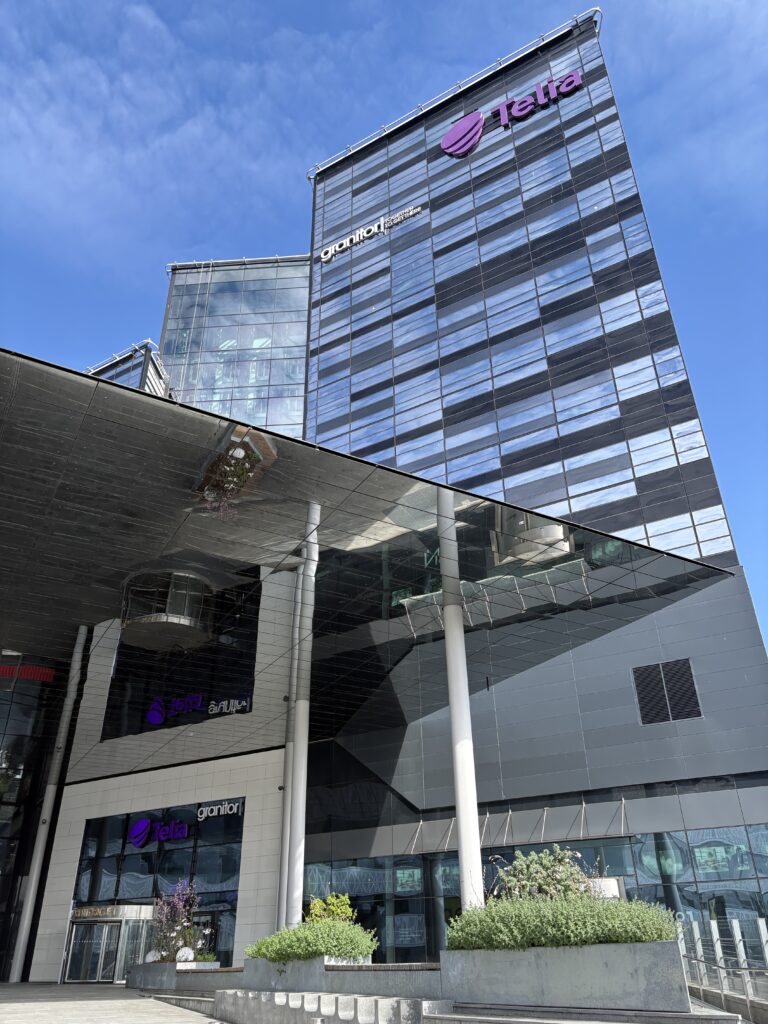
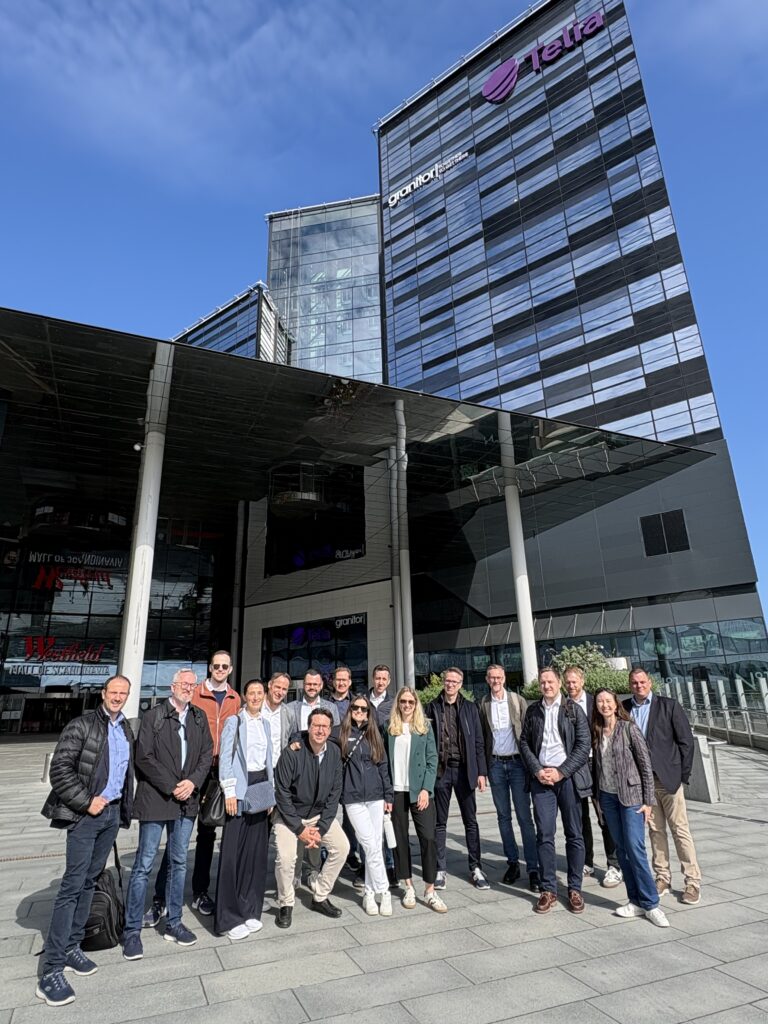
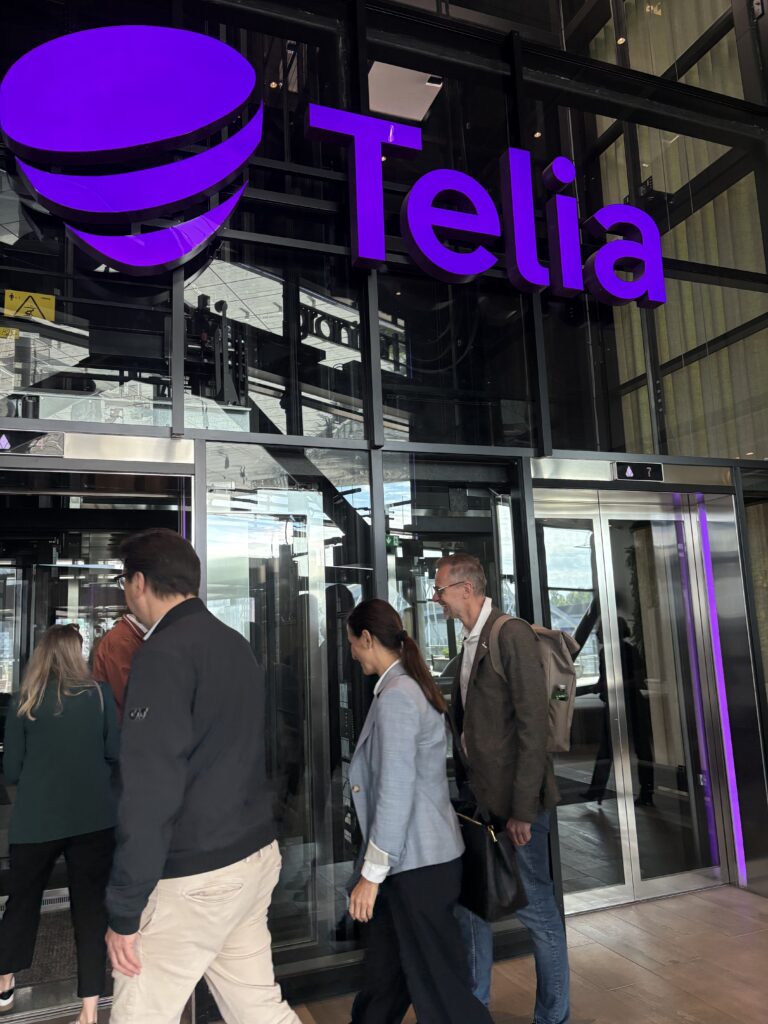
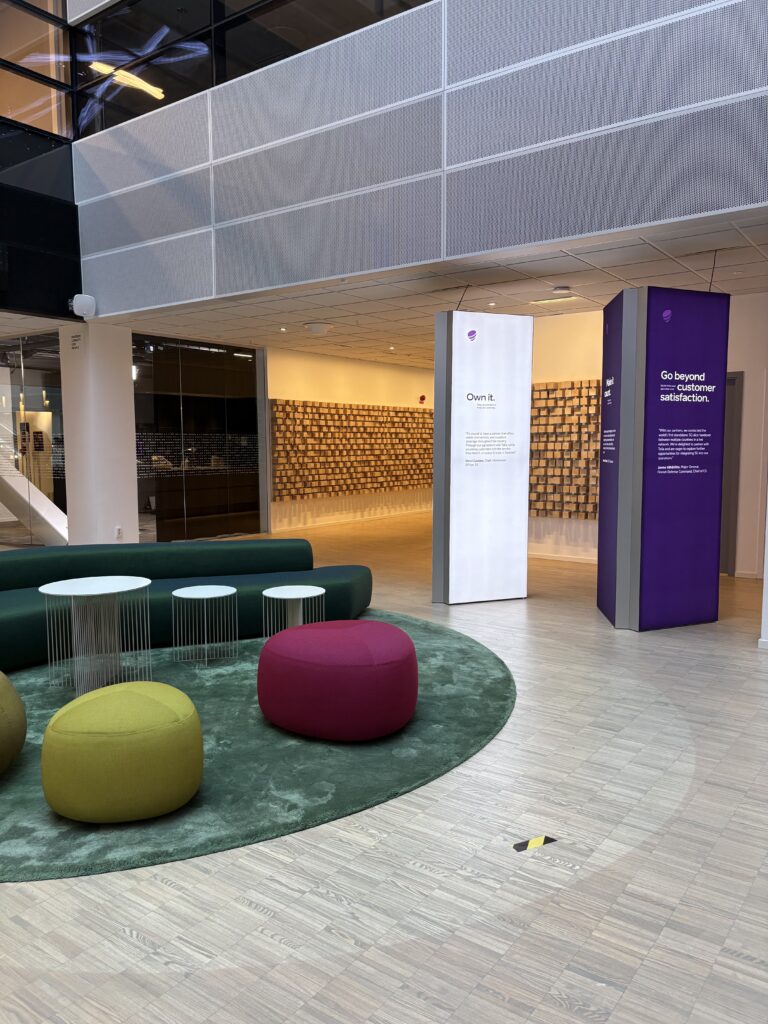
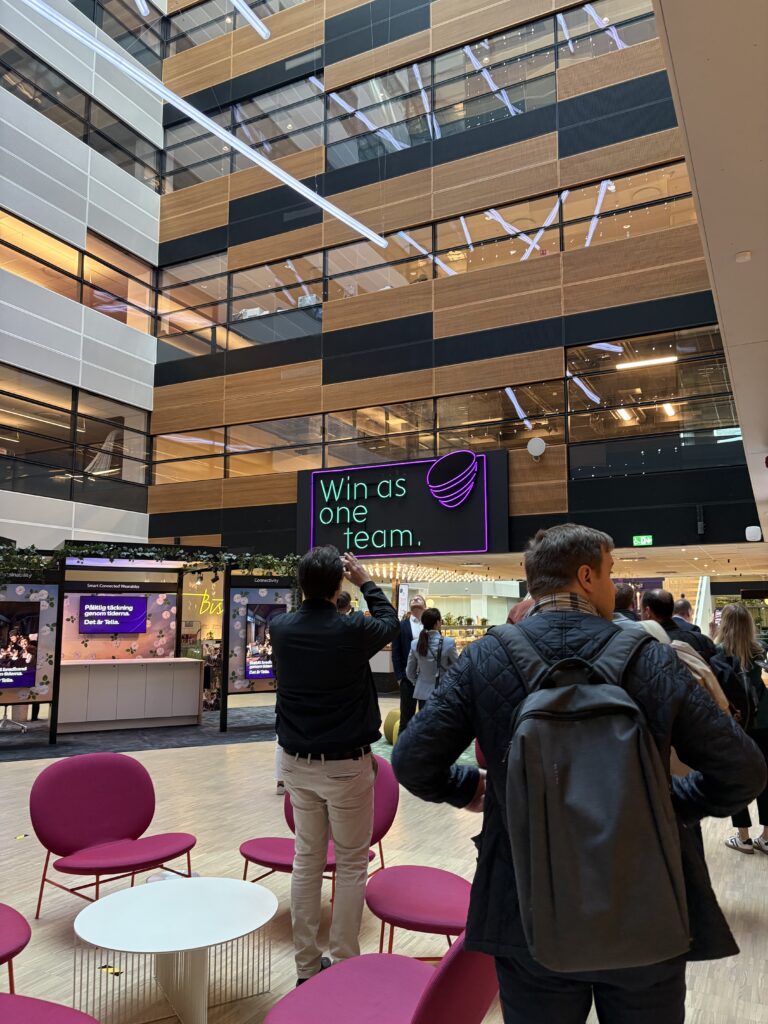
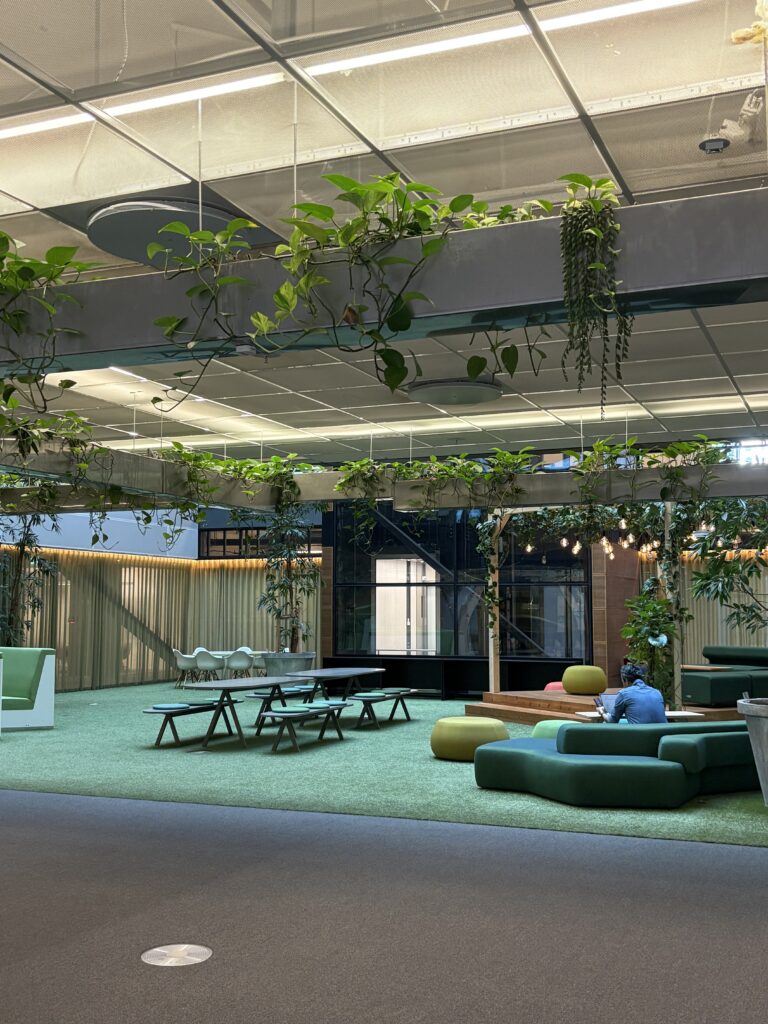
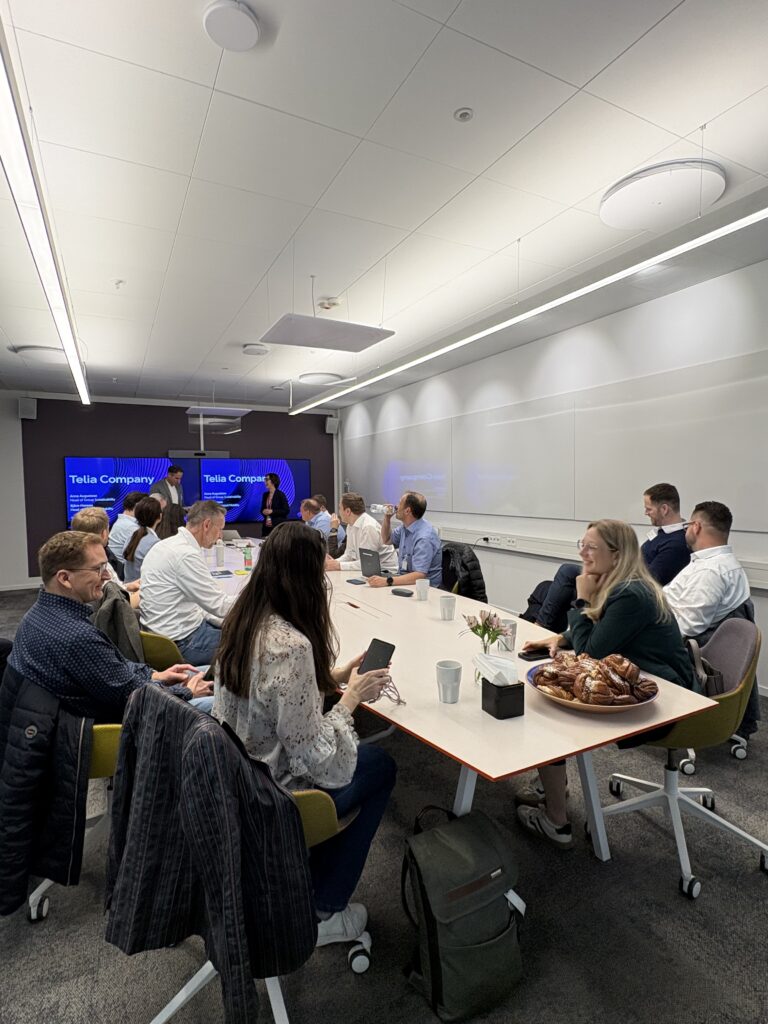
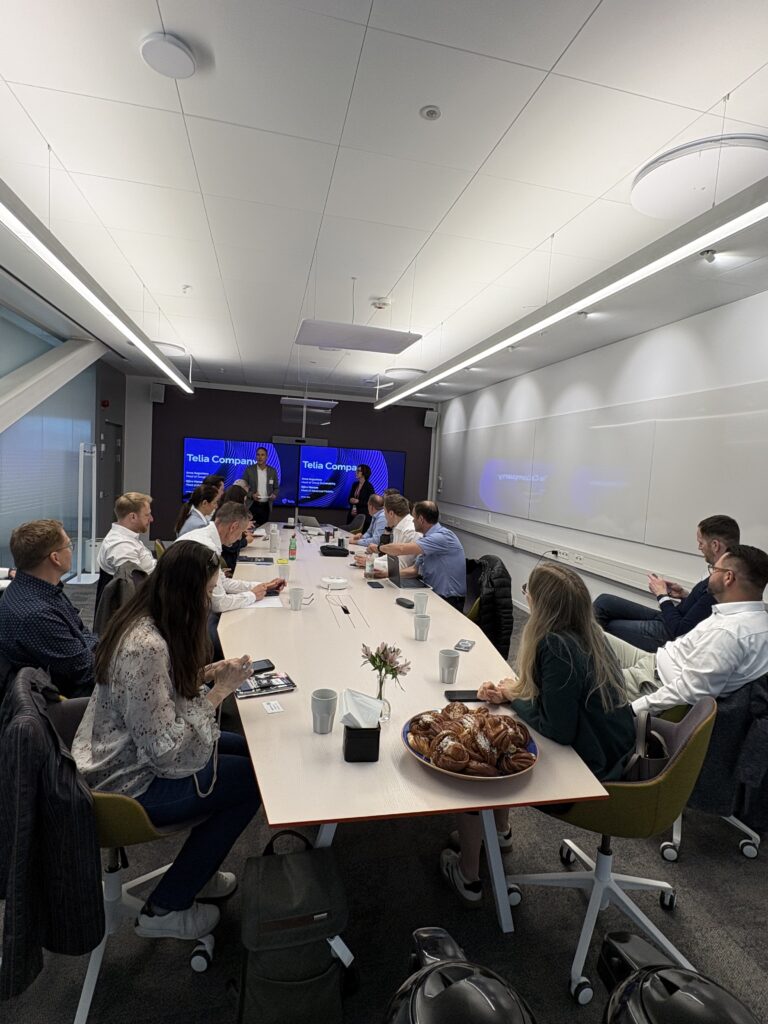
At Telia Company, Anna Auguston and Björn Hansen provided insights into strategic questions around sustainability, digital infrastructure, new ways of working, data security and circular business. Particularly interesting was the connection between financial and non-financial goals, as well as the role of international cooperation within Europe. The visit clearly showed how important a changed mindset is for companies that want to shape transformation in a sustainable way.
The visit to Doconomy, were we were welcomed by Sonja Lakner and Lucas Thome opened up another perspective on sustainable innovation. The company develops solutions in the field of impact transactions and finance transactions and works closely with banks. The discussion focused on the measurability of impact, behavioural change, data quality and the use of gamification in a serious and traditionally conservative financial environment. This contrast made the visit particularly interesting: Doconomy showed how innovative approaches can also be applied in conservative industries to raise awareness and influence behaviour.
At Scania, the focus was on sustainable mobility. What stood out in particular was the openness with which the company shared insights into its strategic direction and transformation processes. The visit made it clear that future solutions cannot rely solely on yesterday’s success models. Instead, clear strategic decisions, consistent implementation and the willingness to move beyond existing ways of thinking are needed. The exchange with Harsha Raju and Albin Glas, who were available for direct questions from the participants, were especially valuable.
At our visit to Ventures Accelerated we met CEO Helena Strigård, who introduced the group to the Nordic life science ecosystem. For many participants, this opened up a new field of interest. At the same time, the visit complemented the previous company visits very well, as it focused in particular on venture building, ecosystem logics and the development of new business models.
Across all company visits, the participants gained a differentiated impression of the Swedish innovation ecosystem. One aspect that stood out was the openness with which companies spoke not only about success stories, but also about challenges and approaches that had not worked. This failure culture was perceived by the participants as particularly formative. Innovation in Sweden is not only understood as an outcome, but as a process that requires courage, experimentation and the acceptance of uncertainty.
During the reflections, it became clear that the Nordic ecosystem had made a strong impression on the participants. Sweden was perceived as open, focused, calm, ambitious and at the same time bold. The comparison with Austria and Germany was particularly interesting: while start-ups and companies in the German-speaking context often tend to proceed more cautiously and step by step, the impression in Stockholm was that many organisations think bigger and more internationally from the very beginning. The willingness to take risks and learn from failure was also perceived as a significant difference.
On the third day, the joint reflection session took place at the co-working space Helio Slussen. There, the participants had the opportunity to connect the insights from the company visits with the practical models from the Academic Day. Together, they reflected on how strategy models can be applied in practice. In the exchange with the Adam Sandberg from Helio Slussen, the participants also gained insights into the role of modern co-working spaces as places for collaboration, innovation and networking.
The combination of academic input, company visits and international exchange made the Study Trip particularly valuable. The participants not only received professional impulses, but also experienced first-hand how Swedish organisations approach innovation, sustainability and transformation in practice. The programme showed how closely strategic thinking, cultural openness and the willingness to change are connected.
Stockholm itself also contributed to the special atmosphere of the trip. The city combines historical surroundings, modern business life and Scandinavian quality of life in an impressive way. It therefore provided an ideal setting for a Study Trip that brought together professional development, international networking and inspiring practical insights.
The LIMAK Study Trip Stockholm 2026 opened up new perspectives on strategy and business model innovation in the Scandinavian context. Particularly memorable were the openness of the organisations visited, the strong innovation culture and the courage to actively shape transformation. This is the spirit the participants could take back from Stockholm – as an impulse for their personal and professional development as well as for the further development of their own organisations.
A Word of Thanks
We thank all participating companies, institutions and experts for their openness, insights and valuable contributions to the program. The LIMAK Study Trip Stockholm 2026 shows how international learning experiences can create new perspectives on Strategy & Business Model Innovation — and how inspiring it can be to experience transformation directly on site.
At LIMAK, we bring international learning to life by connecting academic insights, company visits and meaningful exchange. The Study Trip to Stockholm reflects exactly that.