

LIMAK Study Trip USA 2026
Where Innovation Happens: Inside the Silicon Valley Mindset
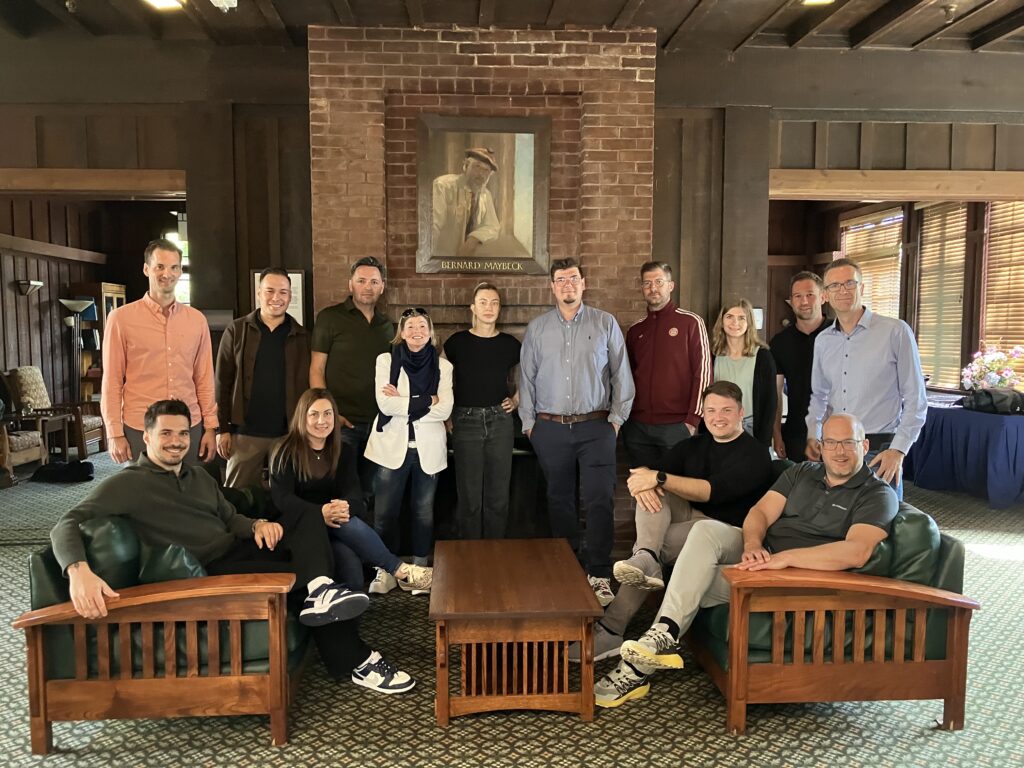
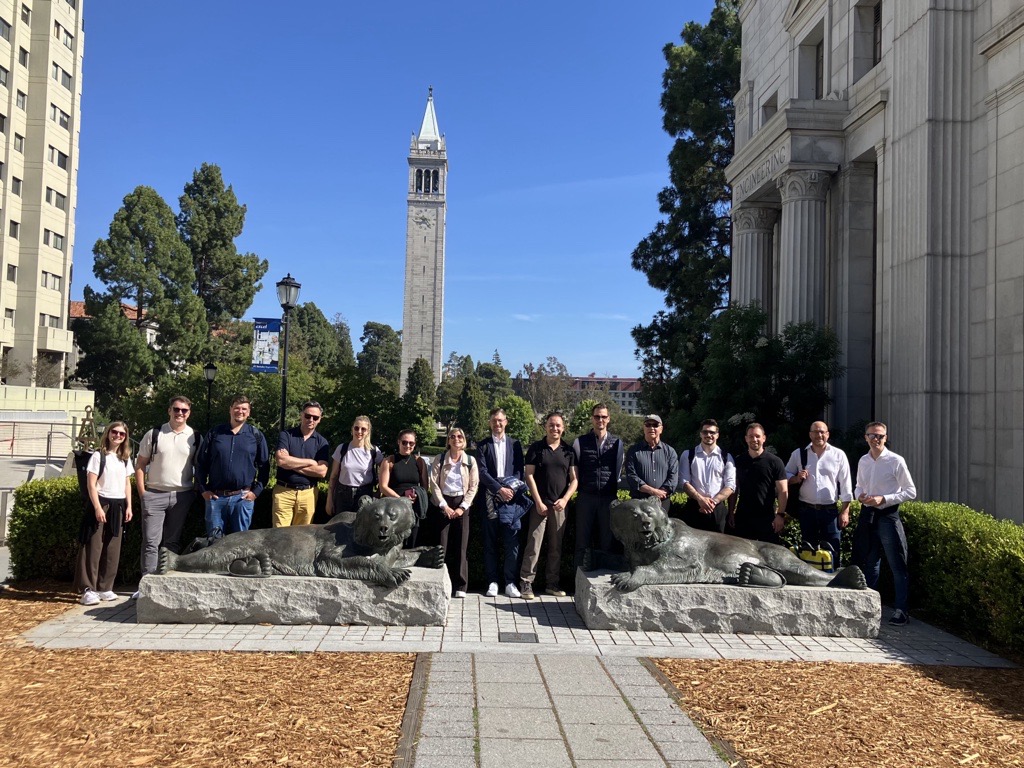
There are few places in the world where the future of business is being shaped as visibly as in Silicon Valley. For one week, 14 participants of the LIMAK Global Executive MBA immersed themselves in this unique ecosystem—not as tourists, but as leaders ready to challenge their thinking, expand their network, and experience innovation where it happens.
The week revolved around three big questions:
How is innovation created? How are AI and entrepreneurship reshaping business? And what can European leaders learn from the Silicon Valley mindset?
The answers emerged throughout the journey—in classrooms, boardrooms, startup offices, and conversations with founders, investors, and technology leaders. More importantly, participants returned with a new perspective on leadership, innovation, and the opportunities they can create within their own organizations.
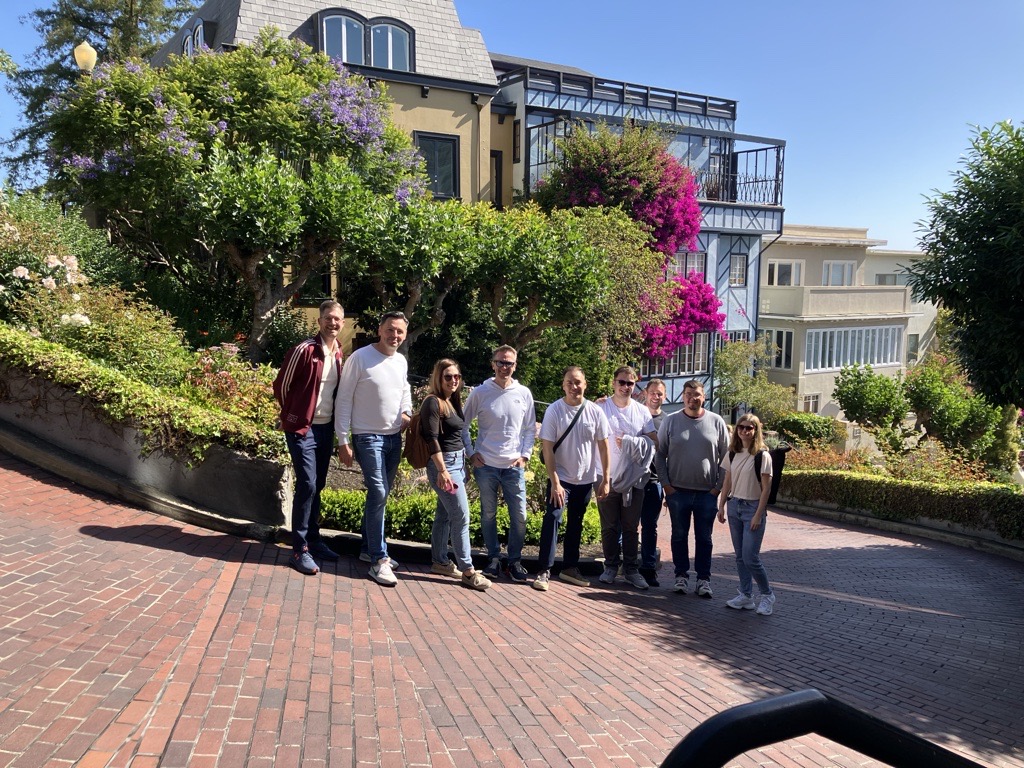
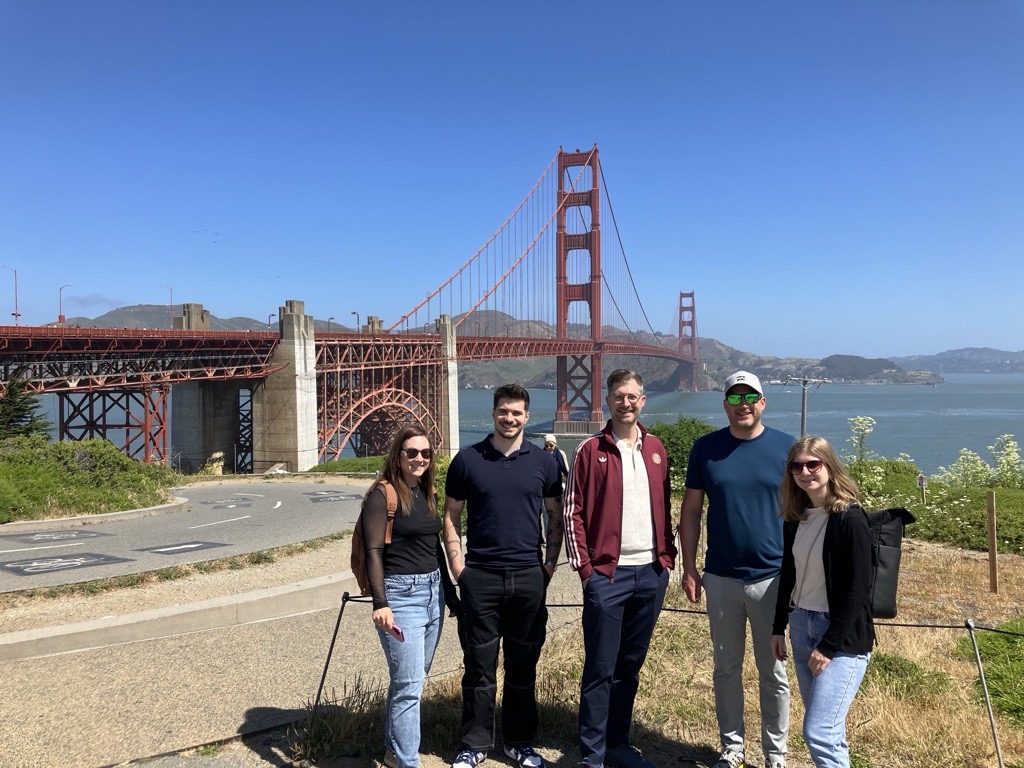
Before stepping into the classrooms of UC Berkeley and the offices of Silicon Valley’s most innovative companies, participants first experienced the city that gave rise to one of the world’s most influential innovation ecosystems. A full-day sightseeing tour led from the iconic Golden Gate Bridge and Fisherman’s Wharf to the breathtaking views from Twin Peaks, offering a first impression of San Francisco’s unique character and history. Another memorable highlight was an evening visit to Alcatraz, where the legendary island revealed a completely different atmosphere after dark.
Learning Where Innovation Happens
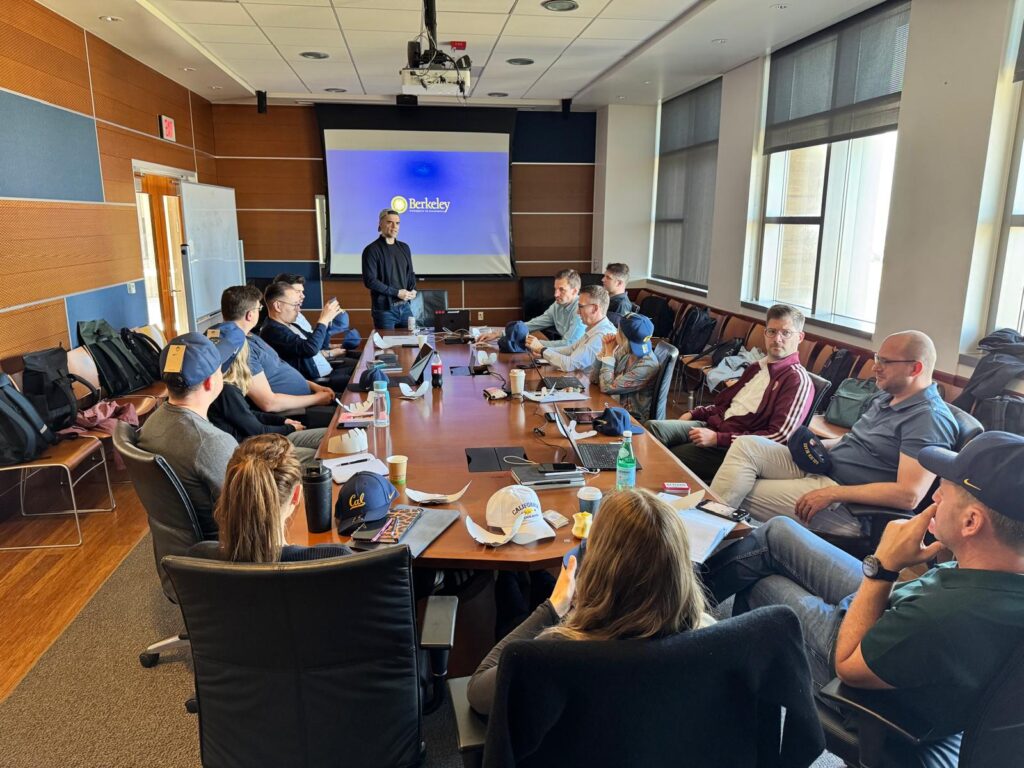
The academic program at UC Berkeley laid the foundation for the week, offering participants an inside look at the principles that have made Silicon Valley the world’s leading innovation ecosystem.
Rick Rasmussen explored how entrepreneurial ecosystems emerge, why venture capital fuels innovation, and what enables ideas to scale into globally successful companies. George Panagiotakopoulos challenged participants to rethink how they communicate innovation, demonstrating that investors rarely invest in technology alone—they invest in compelling problems, scalable solutions, and founders who can communicate a bold vision with conviction.
Artificial Intelligence was another central theme throughout the program. Alina Adams encouraged participants to move beyond AI experimentation and focus on how organizations can deploy AI strategically, responsibly, and in ways that create lasting business value.
Perhaps the most defining lesson, however, was cultural.
In Silicon Valley, failure is not the opposite of success — it is part of the process.
Experiment fast. Learn faster. Iterate continuously. This mindset creates the conditions for breakthrough innovation and remains one of the region’s greatest competitive advantages.
With these concepts in mind, it was time to leave the classroom and experience how innovation is translated into products, companies, and culture across Silicon Valley.
From Insight to Execution
Theory quickly became practice through exclusive visits to some of Silicon Valley’s most innovative organizations.
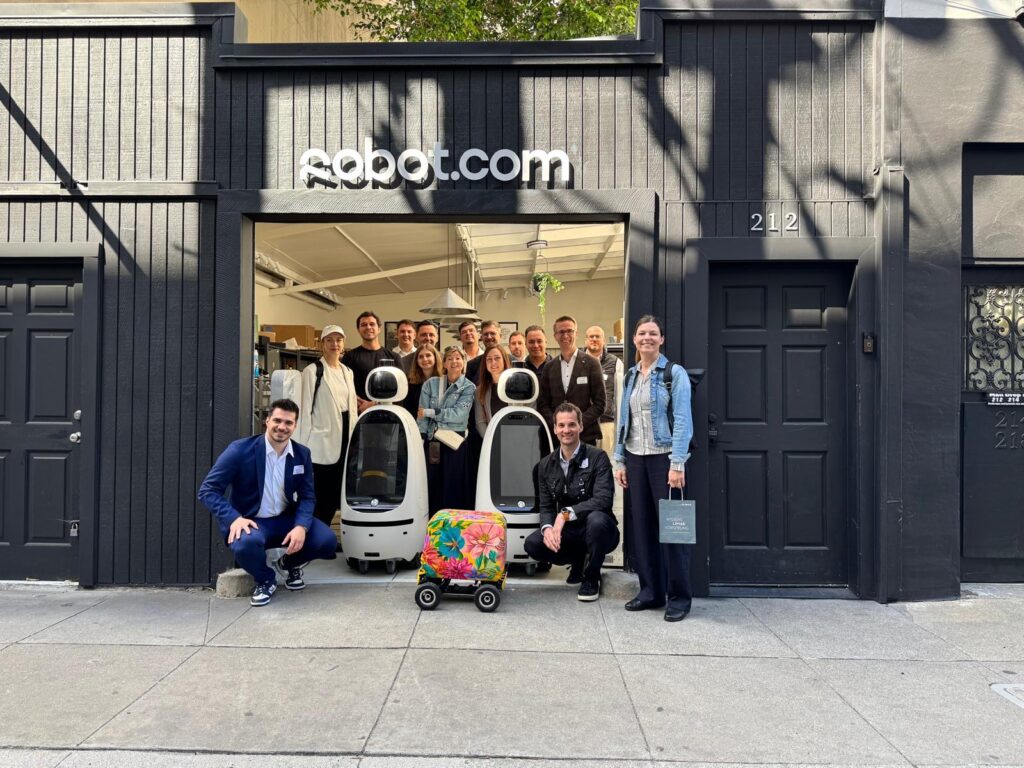
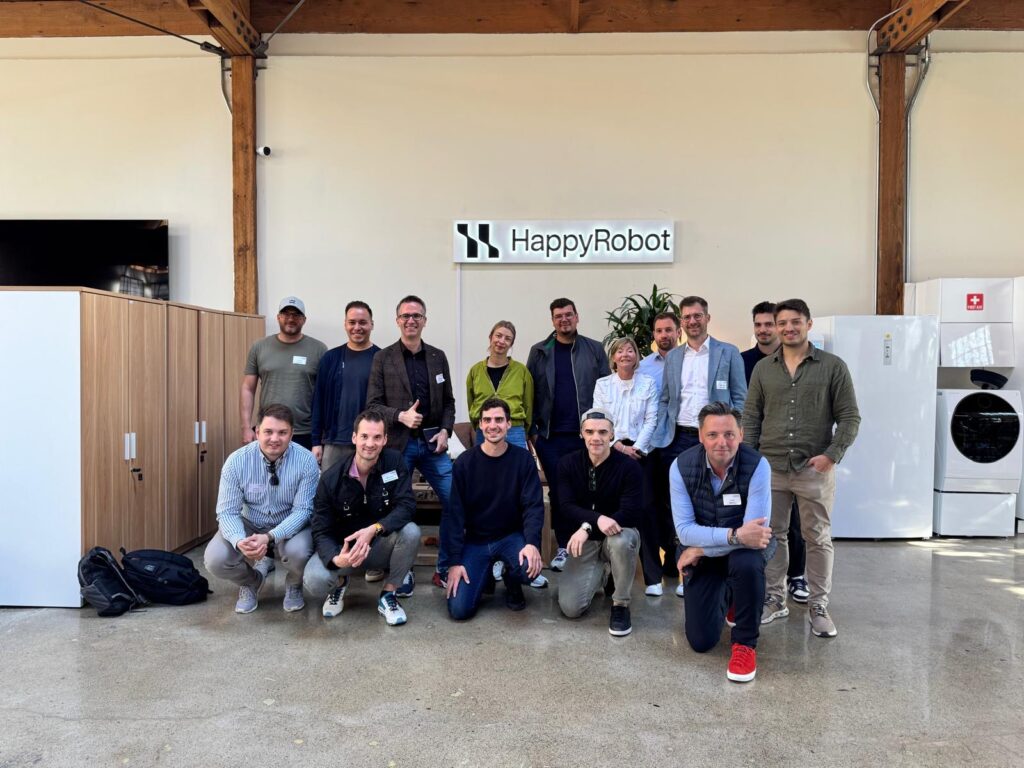
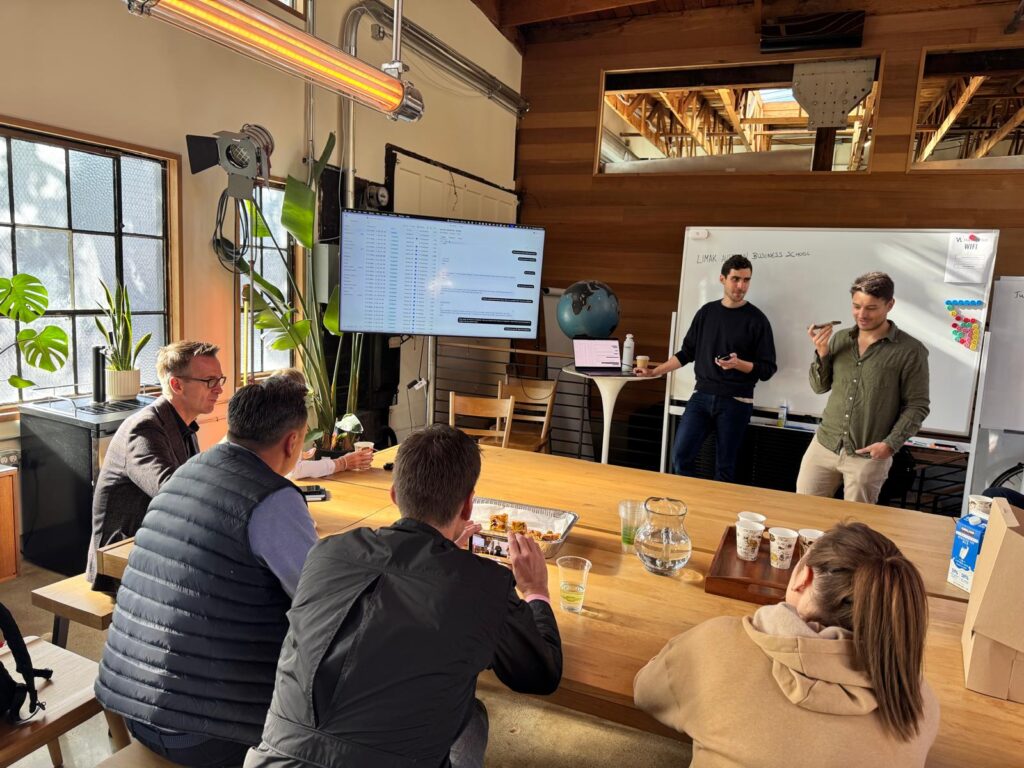
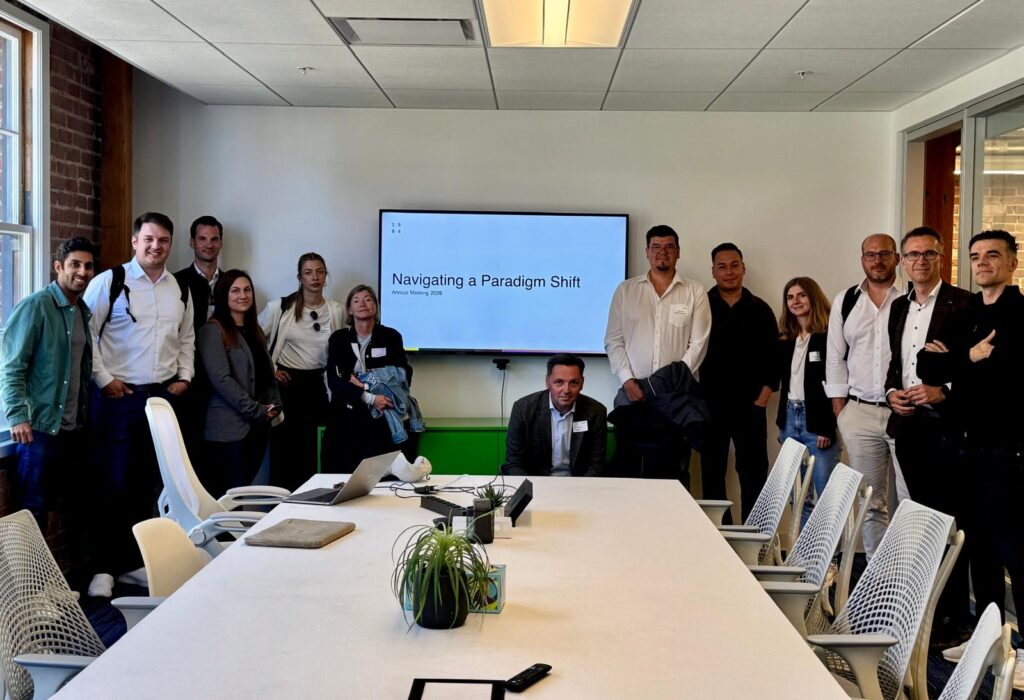
At Robot.com, participants experienced how autonomous robotics companies are built from the ground up and why high-performing teams are essential for scaling innovation. Terra Quantum provided fascinating insights into the future potential of quantum technologies, while 1984 Ventures demonstrated how bold early-stage investments enable breakthrough innovation long before success is guaranteed.
Christopher Kuthan shared an insider’s perspective on Amazon’s leadership principles, customer obsession, and the mechanisms that help one of the world’s largest companies continue to innovate at scale while preserving an entrepreneurial mindset.
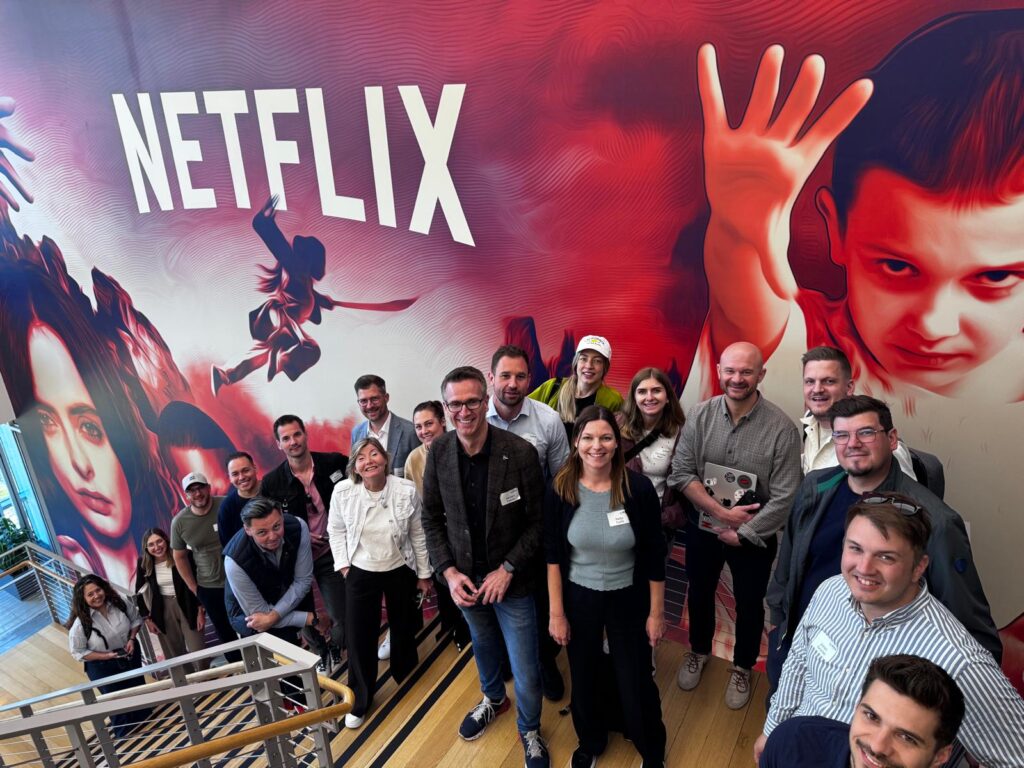
Culture proved to be just as important as technology. At Netflix, Christoph Kofler shared insights into a company built on feedback, ownership, and freedom with responsibility—showing how organizational culture itself can become a competitive advantage.
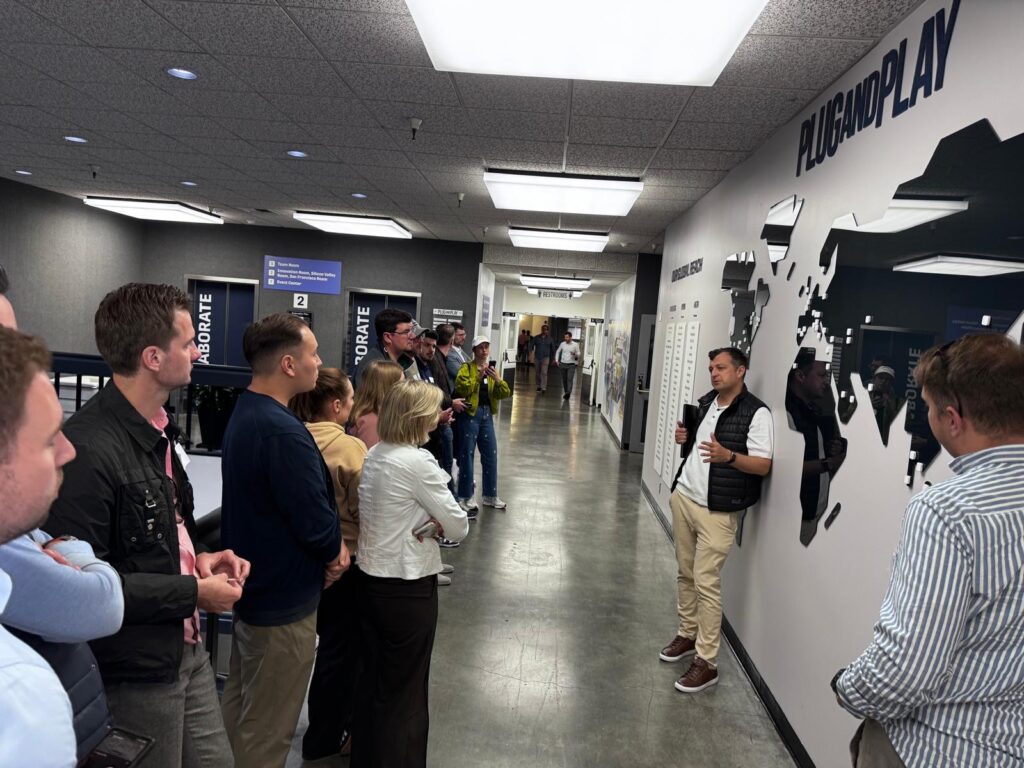
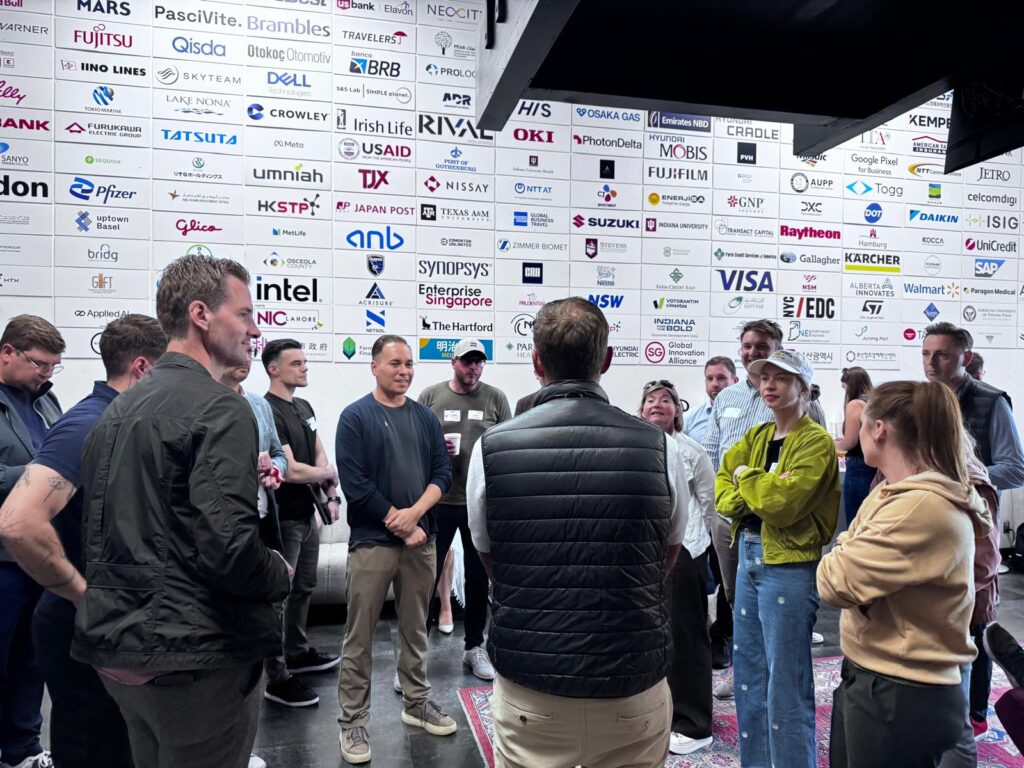
The visit to Plug and Play offered another memorable takeaway. Johannes Rott illustrated the dynamics of one of the world’s leading startup ecosystems and highlighted that conviction, storytelling, and creating momentum are often just as important as the idea itself.
One insight particularly resonated during our conversations with venture capitalists: even investors are driven by FOMO. The greatest risk isn’t investing in the wrong startup—it’s missing the company that could redefine an entire industry. For founders, this means that vision, storytelling, and the ability to inspire confidence often matter just as much as technology.
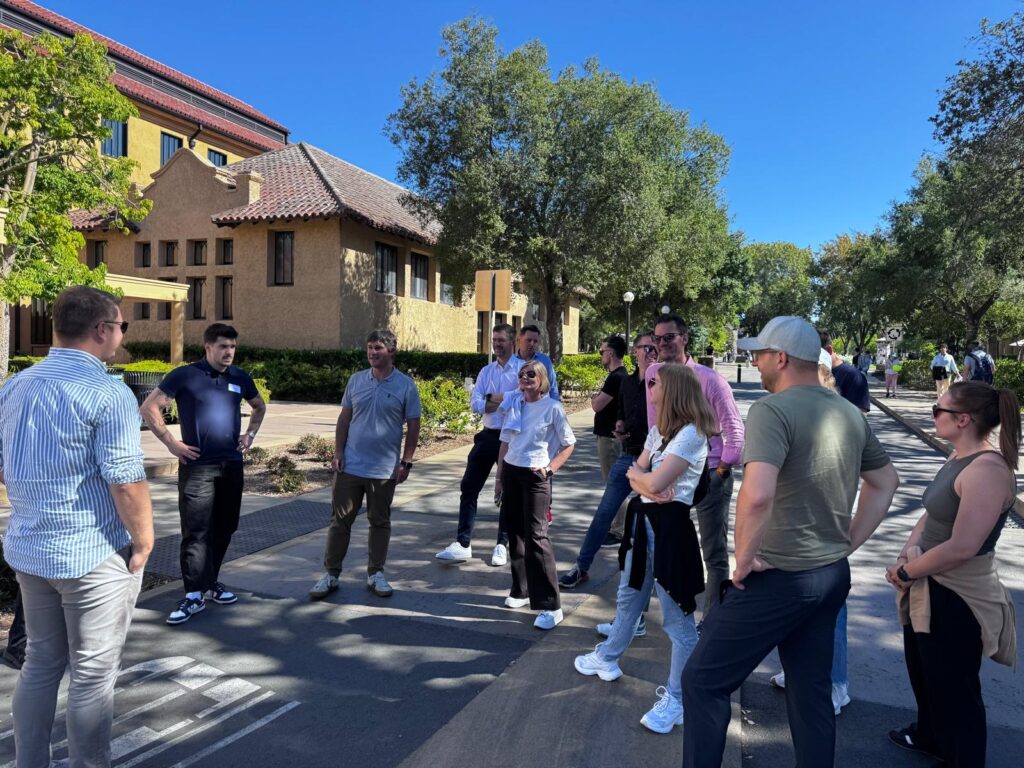
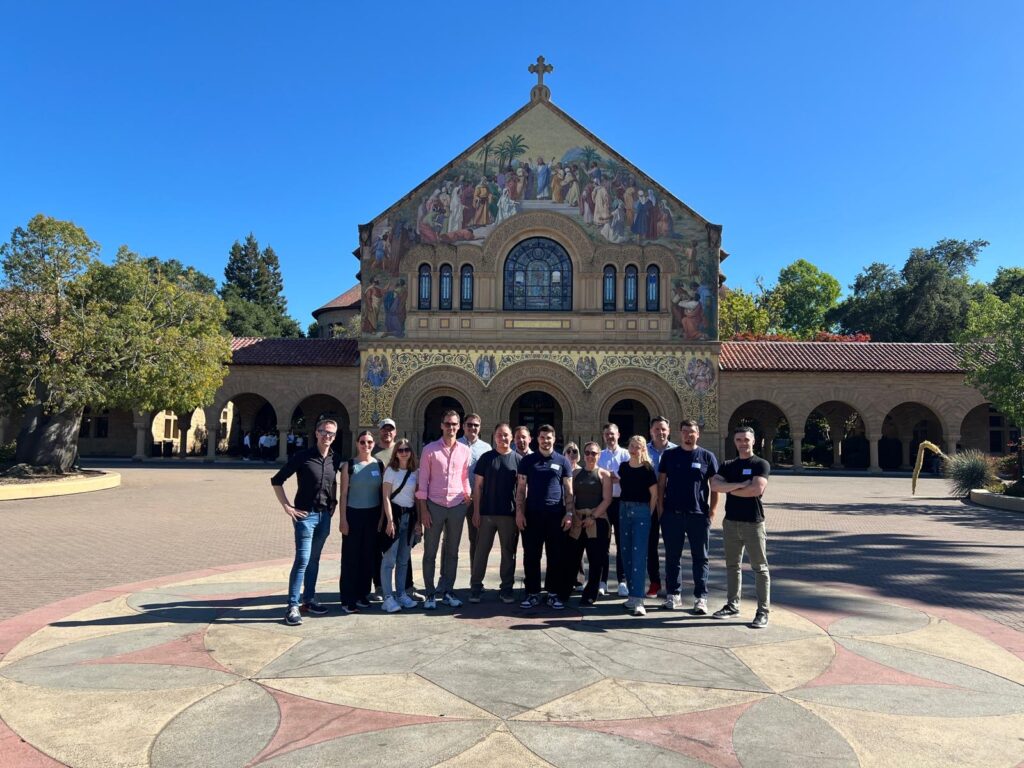
The journey concluded at Stanford University, where Nikolaus (Niki) H. reflected on Stanford’s entrepreneurial culture while sharing perspectives on Apple’s relentless pursuit of excellence, design, and customer experience.
Throughout the company visits, Berkeley faculty member George Panagiotakopoulos helped bridge academic concepts with real-world business practice, reinforcing the connection between insight and execution.
Building Connections Across Continents
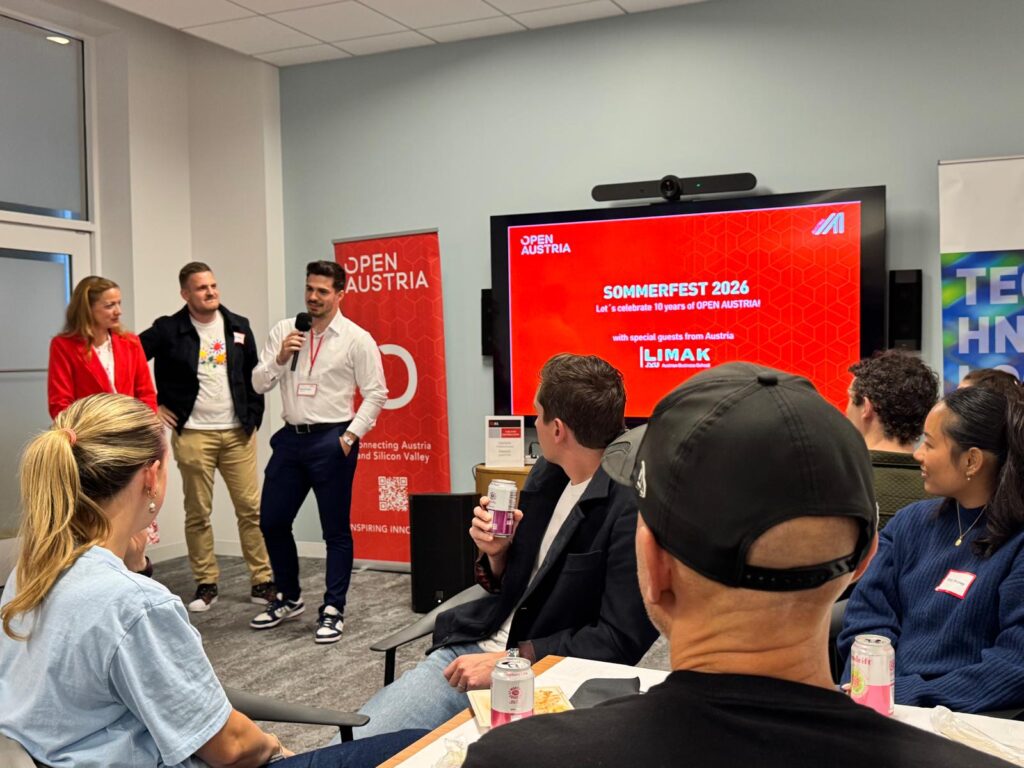
Together with OPEN AUSTRIA, LIMAK hosted an exclusive networking evening, connecting participants with entrepreneurs, investors, technology leaders, and inspiring Austrians shaping innovation in Silicon Valley. More than a networking event, it was a unique opportunity to exchange ideas, build meaningful relationships, and experience firsthand the power of one of the world’s most dynamic innovation ecosystems.
For many participants, meeting Austrians who have built successful careers and businesses in Silicon Valley was a particular highlight. Their openness in sharing experiences, lessons learned, and personal stories made the evening truly inspiring—and laid the foundation for connections that extend far beyond the Study Trip itself.
A Different Way of Thinking
Silicon Valley is often associated with technology. Yet what truly makes the region unique is not the technology itself—it’s the mindset behind it.
A mindset built on curiosity instead of certainty. On experimentation instead of perfection. On speed instead of hesitation. And on collaboration instead of hierarchy.
The LIMAK Study Trip offers far more than exclusive access to leading universities and global technology companies. It challenges perspectives, creates meaningful connections, and inspires leaders to rethink how innovation happens within their own organizations.
Perhaps nothing illustrated San Francisco’s unique blend of history and innovation better than seeing century-old cable cars sharing the streets with fully autonomous Waymo vehicles—a glimpse of a future that has already become part of everyday life. Experiencing a ride in one of these self-driving cars brought the future of urban mobility to life.
Some of the week’s most powerful insights included:
- Innovation starts with solving meaningful problems—not building impressive technology.
- Failure is feedback, not defeat. Learning faster creates competitive advantage.
- Artificial Intelligence is no longer optional; strategic adoption is becoming a core leadership capability.
- Culture is a growth engine. Trust, ownership, and continuous feedback accelerate innovation.
- Storytelling creates momentum. Even venture capitalists are driven by FOMO—the fear of missing the next big idea. Conviction and narrative can be just as powerful as technology.
- Networks create opportunities. Strong ecosystems consistently outperform individual organizations.
Participants returned to Austria with more than fresh ideas. They returned with new perspectives, valuable international connections, and a deeper understanding of what it takes to lead innovation in an increasingly AI-driven world.
Because ultimately, Silicon Valley isn’t just a place—it’s a way of thinking.
We’re honored to be returning next year – our next Study Trip to San Francisco and Silicon Valley takes place from May 31 – June 05, 2027.